Origin Story
The Coffee That Keeps the Evening Going
A decaf dark roast isn't a compromise — it's the coffee that understands why you're still at the table. Mountain Water process. Central and South American blend. Roasted dark enough to matter.
| Processing | Washed; Mountain Water decaf process (Descamex, Mexico) |
|---|---|
| Roast Level | Dark |
| Decaf | Yes — Swiss Water Process |
Roast Notes
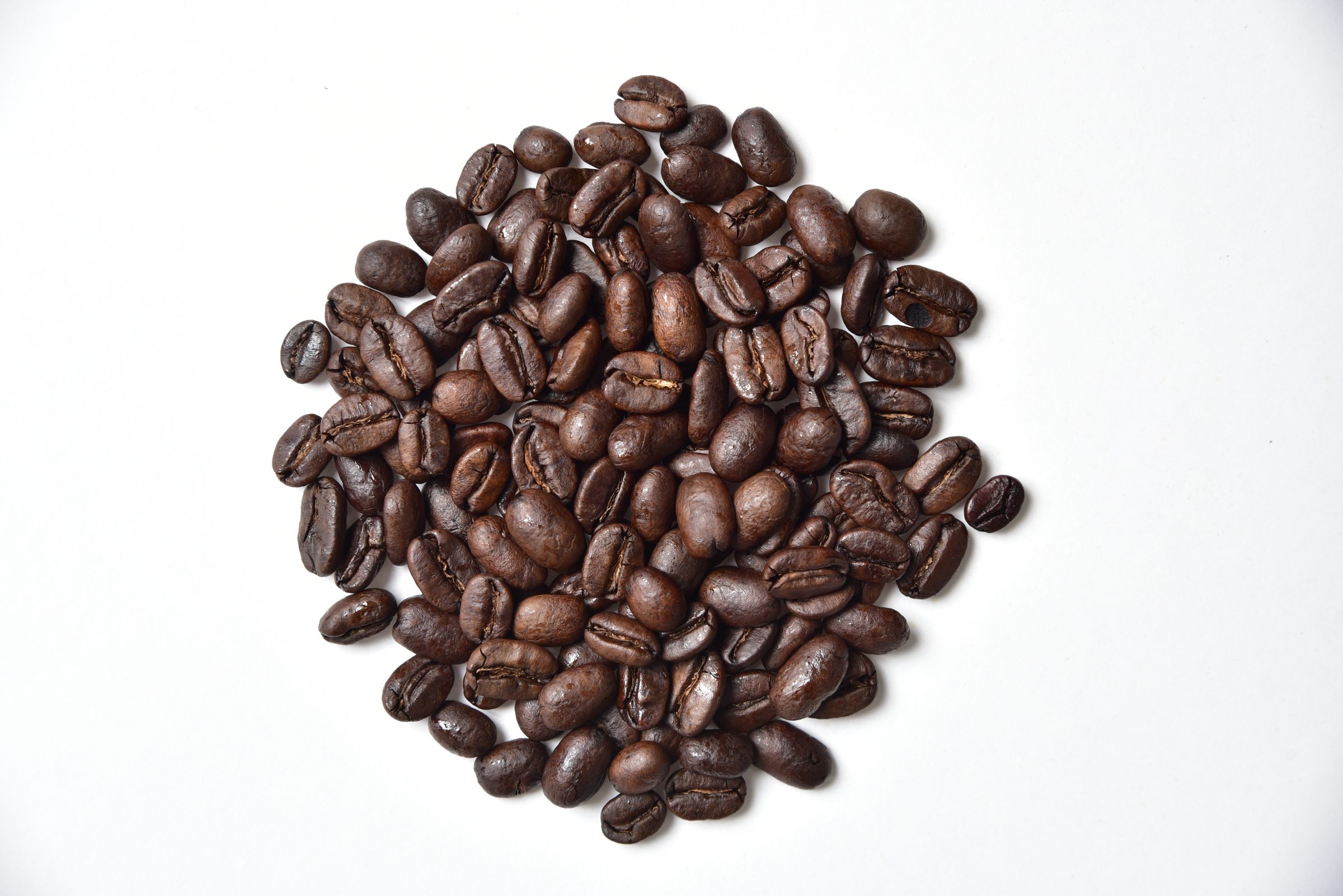
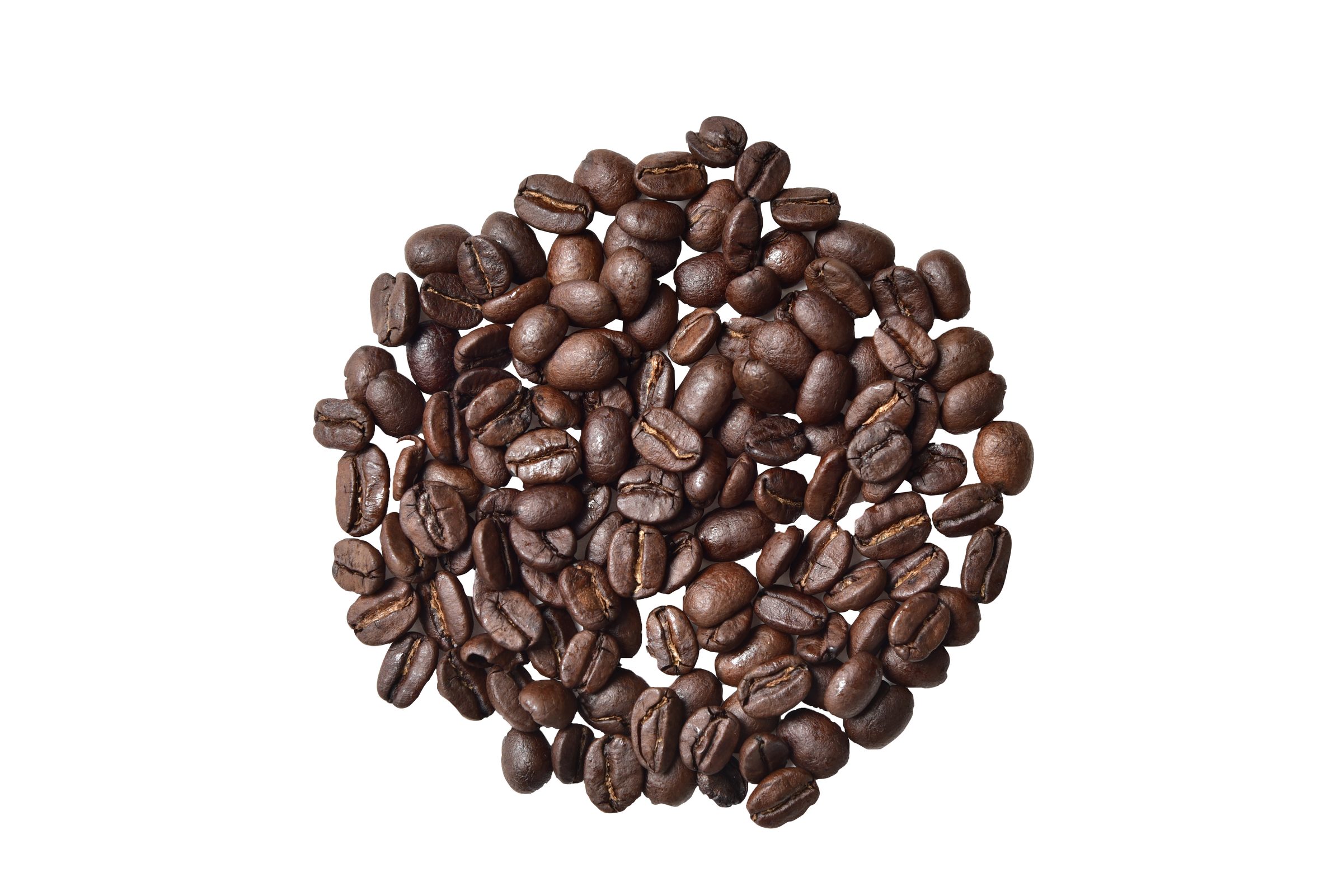
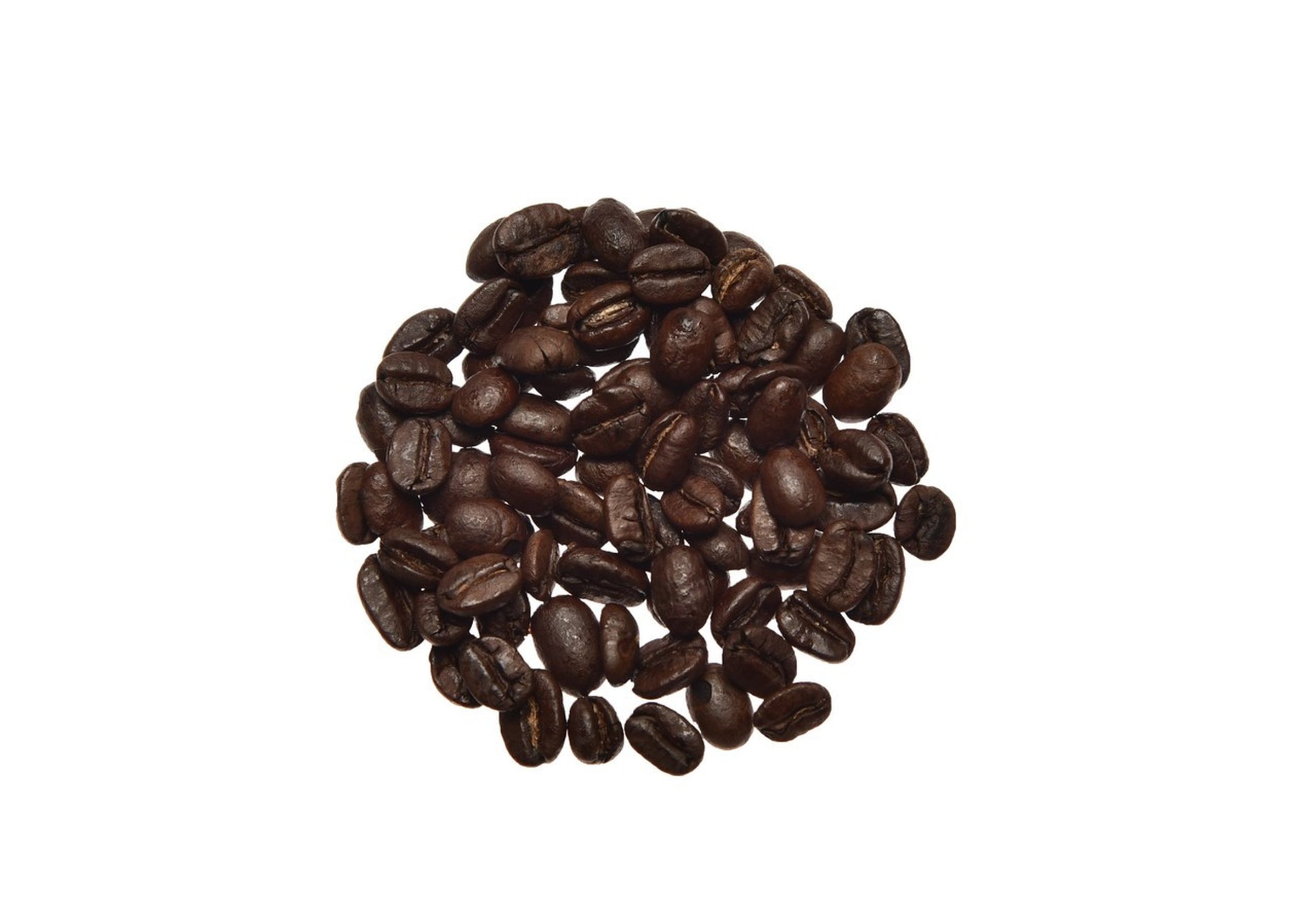
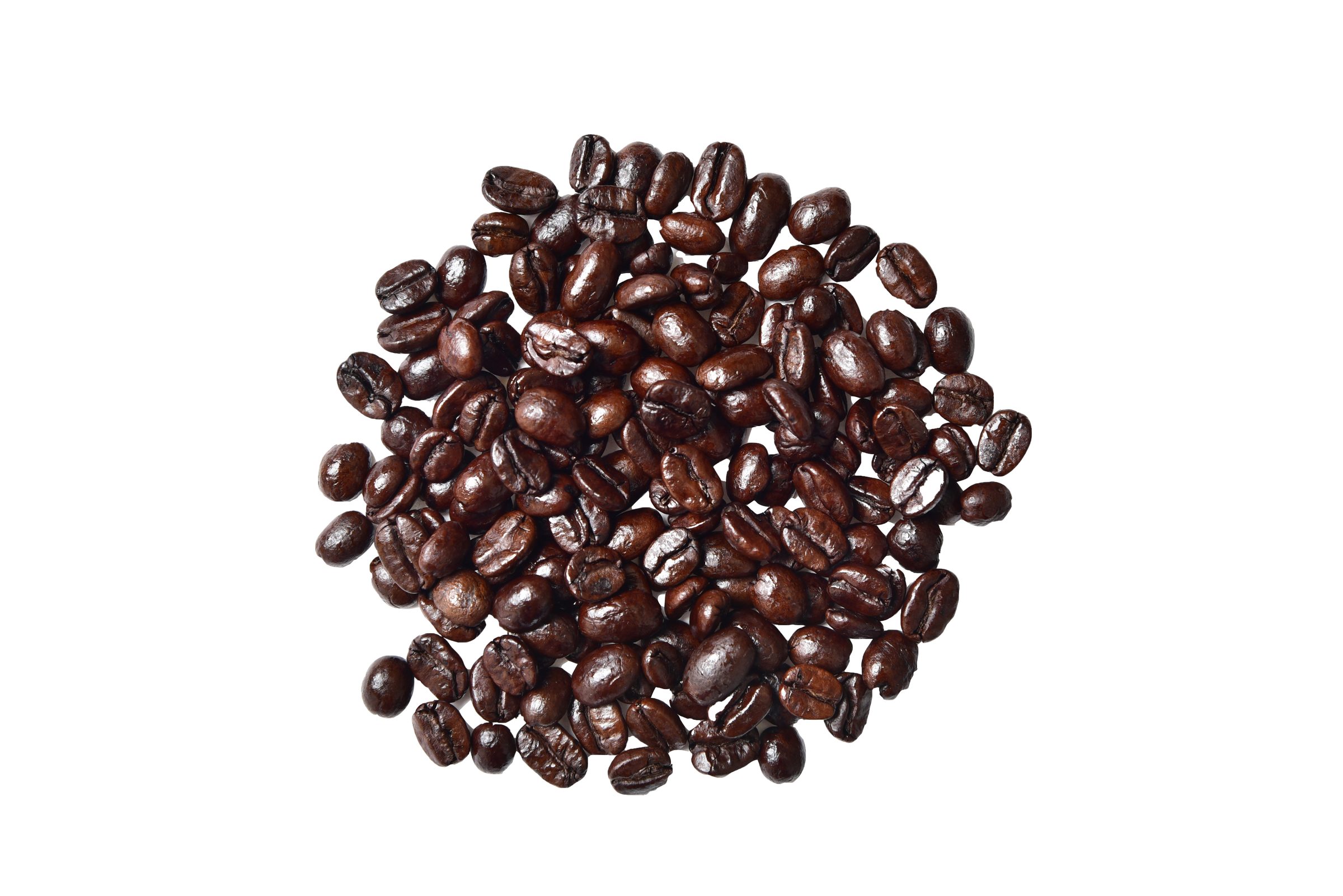
Full dark roast — taken just past second crack to develop deep chocolate and roasted nut character. The Mountain Water decaf process preserves the bean's cellular structure, so the roast develops cleanly without the hollow notes or scorched edges that chemical decafs can produce. Dark roast and decaf aren't compromises here — they're partners
The Coffee That Keeps the Evening Going
There’s a particular kind of coffee moment that happens after dinner. The plates are cleared, the conversation has found its rhythm, and someone puts a pot on. Nobody at the table needs a jolt — they need a warm cup in their hands and a reason to stay a little longer. That’s the moment decaf dark roast was invented for. Not as a downgrade. Not as a concession. As the right coffee for the right hour.
I’ll say it plainly: decaf has an image problem, and it has had one for decades. People remember the decaf their grandparents drank — thin, hollow, tasting vaguely of cardboard and disappointment. That coffee existed. It was made by soaking green beans in chemical solvents, stripping out the caffeine along with most of what made the coffee worth drinking in the first place. The industry called it “decaffeinated.” Everyone else called it ruined.
We don’t sell that coffee. We never have. The Dark Roast Decaf on this page is decaffeinated by the Mountain Water process at Descamex in Córdoba, Mexico — and if those words don’t mean anything to you yet, they’re about to.
Why the Process Matters
There are three ways to decaffeinate coffee. The first is the solvent method — methylene chloride or ethyl acetate washes that chemically bond with caffeine molecules and pull them out. It works. It also strips volatile aromatic compounds, leaves trace residues, and produces the flat, hollow decafs that gave the entire category its bad name.
The second is the Swiss Water Process — a charcoal-filtered water extraction method developed in the 1970s. It’s better. It’s chemical-free. But it requires high heat and long soak times, and heat is the enemy of cellular structure. Beans come out clean but slightly fatigued, with less of their original density and fewer of the complex sugars that make dark roasts sing.
The third is the Mountain Water process. Descamex, the facility in Córdoba, Mexico, uses pure glacial meltwater from Pico de Orizaba — the highest peak in Mexico and the third-highest in North America. The water is saturated with green coffee extract to create an equilibrium, then circulated through the beans at controlled temperatures far lower than Swiss Water demands. Caffeine diffuses out. The soluble solids that create body, sweetness, and roasted flavor stay in. The bean’s cellular structure remains intact — critical for dark roasting, because a bean with damaged cell walls scorches at the surface and stays raw at the center. A bean with intact cell walls develops evenly from edge to core, carrying dark chocolate and caramel notes all the way through.
You can taste the difference. A chemically decaffeinated dark roast tastes like roast and nothing else — all carbon, no middle. A Mountain Water decaf dark roast tastes like coffee should taste, with layers that unfold instead of collapsing.
The Blend That Holds the Roast
Our Dark Roast Decaf is built on a foundation of washed Arabicas from Colombia, Guatemala, and Brazil. Each brings something essential to the blend.
The Colombian and Guatemalan components provide structure — clean acidity that softens into sweetness at dark roast temperatures, the kind of chocolate-forward backbone that doesn’t go bitter when you push past second crack. These are high-grown coffees, dense beans that can absorb the heat of a dark roast without giving up.
The Brazilian component provides body and nuttiness. Brazilian coffees — particularly the pulped naturals and fine washed lots from Minas Gerais and Sul de Minas — are famously low in acidity and heavy in mouthfeel. In a dark roast decaf, that body becomes the canvas. The Colombian and Guatemalan components paint on top of it. The result is a cup with genuine weight — full-bodied, coating, the kind of coffee you can feel — but with dimension beyond just roast character: dark chocolate on the front, roasted nuts through the middle, caramel sweetness on the finish, and a smoothness that persists long after the cup is empty.
How to Brew It
Dark Roast Decaf responds beautifully to any brew method, but it shines brightest in a French press. The immersion brewing preserves every ounce of that full body, and the metal filter lets the natural oils through — oils that carry the deep chocolate and nutty aromatics that make this coffee what it is. Four minutes steep time, 200°F water, one gram of coffee to every fifteen grams of water. Don’t rush it.
Pour-over works for a cleaner cup with more articulation between the notes. You’ll taste the chocolate first, then the caramel, then the roasted nuts trailing behind. Auto-drip holds its own — this is a decaf that can handle the office pot or the family breakfast without falling apart. And espresso? Absolutely. A double shot of Dark Roast Decaf through a latte at 8 p.m. is one of the quietest pleasures available to a coffee drinker. All the warmth, all the ritual, none of the ceiling-staring at 2 a.m.
The Evening Ritual
Caffeine is a tool. It’s a morning tool, an afternoon tool, a get-things-done tool. But coffee is more than its chemistry. Coffee is the ritual of grinding beans. The sound of the kettle. The smell filling the kitchen. The warm mug between your hands while someone across the table is telling you a story you want to hear all the way to the end.
At 7 p.m., you don’t need a tool. You need a companion. Dark Roast Decaf is that companion — a coffee that understands why the evening matters and doesn’t try to make it something else. Full body. Dark chocolate. Roasted nuts. Caramel. Smooth. And not a milligram of caffeine to get in the way of the moment.
That’s not compromise. That’s exactly what a decaf dark roast should be.