Origin Story
Decaf, Undiminished
How the Swiss Water Process preserves everything you love about Ethiopian coffee — and why this cup will change what you think decaf can be
Harvest Season
| Varietal(s) | Ethiopian Heirloom |
|---|---|
| Processing | Washed + Swiss Water Decaf |
| Roast Level | Medium |
| Decaf | Yes — Swiss Water Process |
Roast Notes
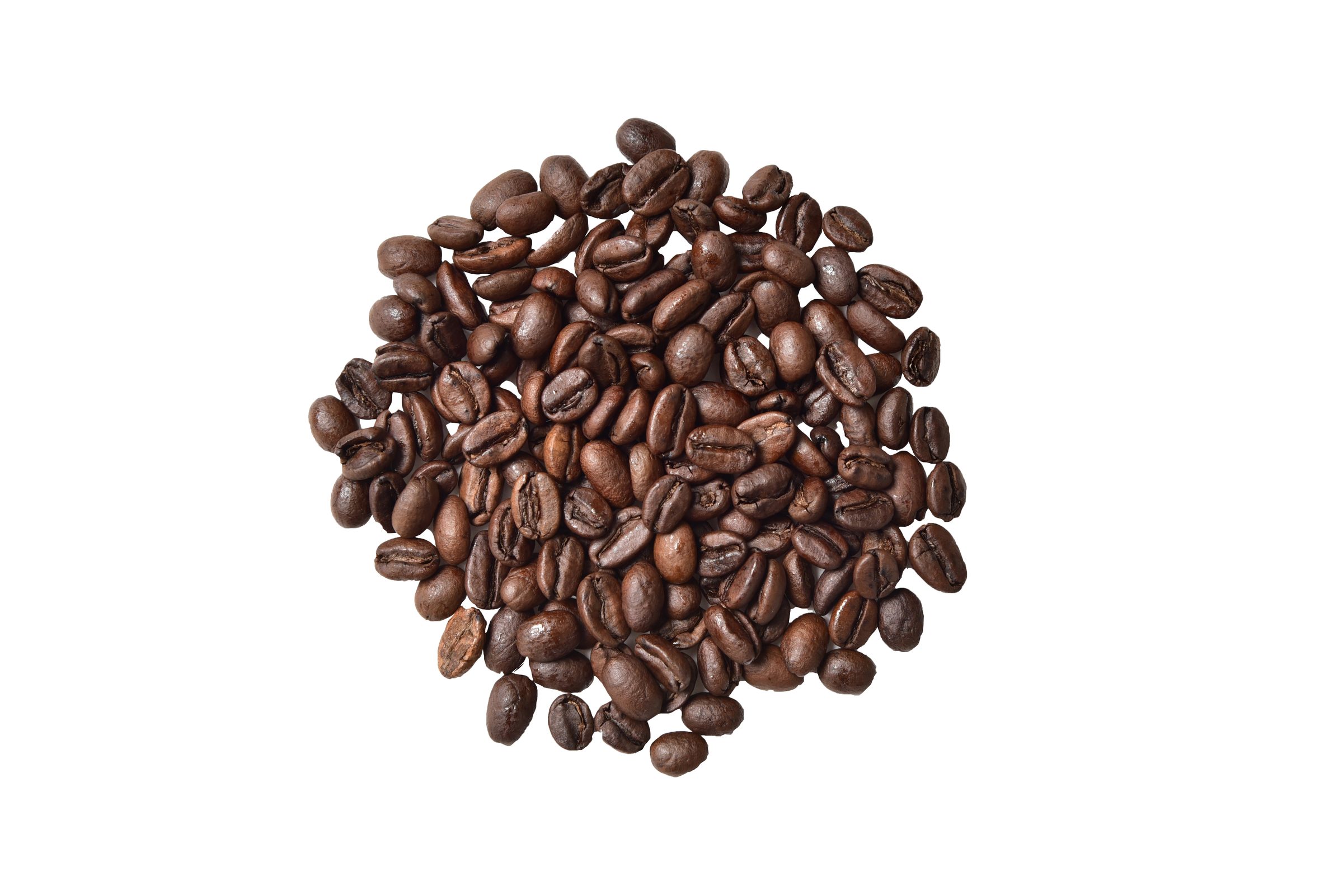
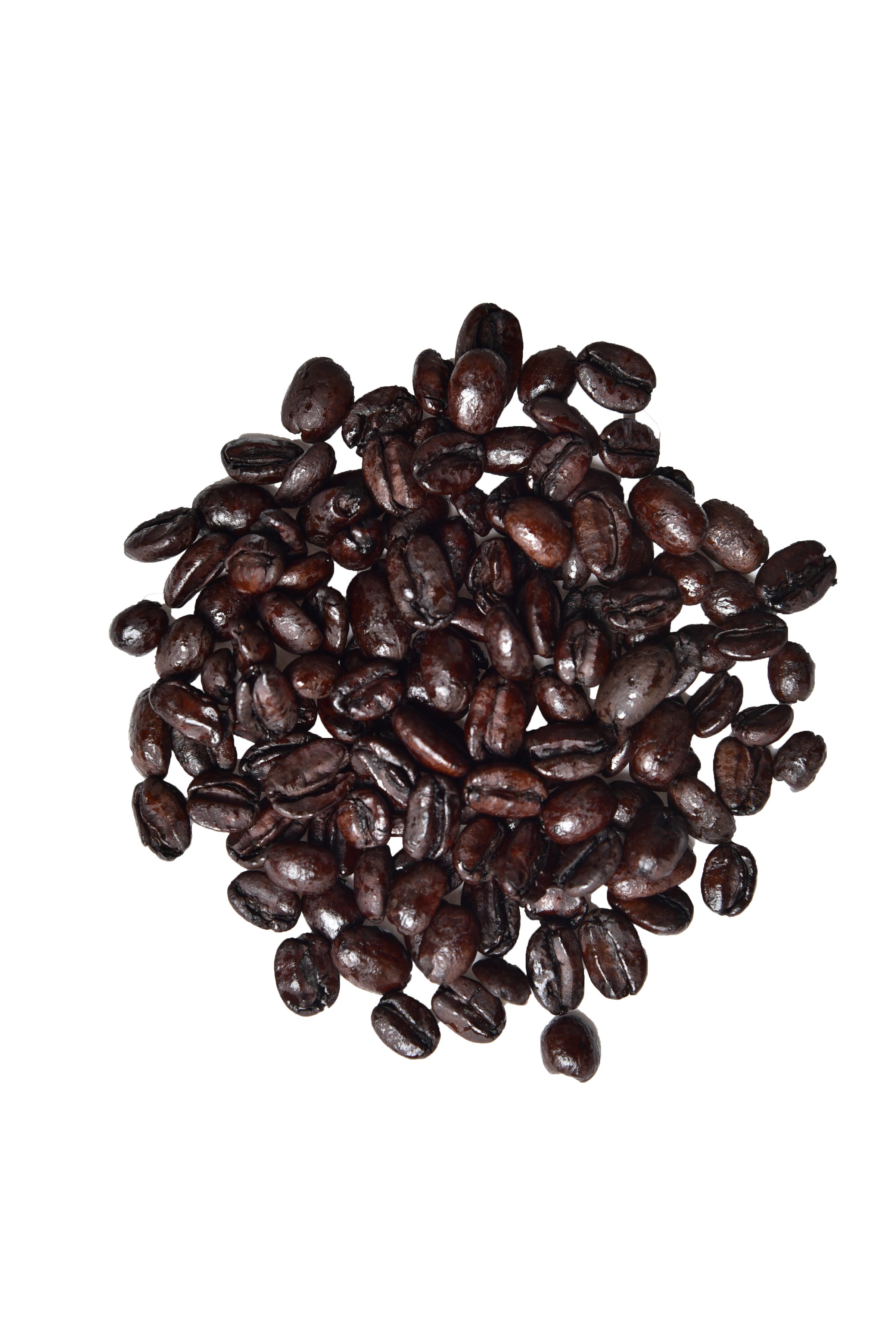
Medium roast to preserve the bright acidity and floral character that survives the Swiss Water process — decaf doesn't mean dull, and we roast accordingly
Let’s get one thing out of the way: decaf has a reputation problem. For decades, it’s been the coffee you settle for — the after-dinner compromise, the doctor’s-orders pour, the thing you drink when you want coffee but coffee doesn’t want you back. The industry treated it accordingly. Take the green coffee nobody wanted to sell as specialty, blast it with methylene chloride or ethyl acetate until the caffeine surrenders, roast it dark enough to hide the chemical residue, bag it, and pray. The result was a cup that tasted like a punishment. Flat. Woody. Hollow. Coffee that had been through something.
The Swiss Water Process is none of that. Developed in Switzerland in the 1930s and refined over decades at a facility in Delta, British Columbia, it’s the only commercially scaled decaffeination method that uses exactly zero chemical solvents. No methylene chloride. No ethyl acetate. Nothing but water, temperature, time, and a clever bit of chemistry that feels closer to osmosis than industrial processing. Here’s how it works: a batch of green coffee is soaked in pure water, which draws out not just the caffeine but also the soluble flavor compounds — the sugars, the acids, the aromatic oils that make coffee taste like coffee. That water, now saturated with everything the bean had to offer, is passed through a carbon filter specifically calibrated to trap caffeine molecules while letting everything else through. You now have what they call Green Coffee Extract: water that carries the full flavor fingerprint of the coffee but none of the caffeine. Fresh green beans are then immersed in this extract. Because the water is already saturated with flavor compounds, only the caffeine diffuses out of the beans — the flavor stays put. The beans exit the process 99.9% caffeine-free and still carrying the blueberry, the jasmine, the lemon zest that made them worth importing in the first place.
Why does this matter for an Ethiopian coffee? Because Ethiopian coffees are among the most aromatic and delicate origins on the planet. Their magic lives in volatile compounds that a harsh decaffeination process obliterates. You can’t throw Sidama-grade heirloom Arabica into a vat of solvent and expect it to come out singing. The Swiss Water Process is gentle enough to preserve what matters. The coffee we start with is a washed Ethiopian — the fully washed process already produces the cleanest, most transparent expression of the bean, stripping away fruit mucilage during fermentation to leave nothing but the seed’s intrinsic character. That clarity becomes the canvas. Then Swiss Water removes the caffeine without painting over it.
“You can’t throw Sidama-grade heirloom Arabica into a vat of solvent and expect it to come out singing.”
In the cup, this is not a decaf that apologizes for itself. The blueberry is there — fresh, not jammy, the same high-note fruit you’d expect from a washed Guji. Citrus follows close behind, Meyer lemon brightening the mid-palate and keeping everything lifted. A floral thread — jasmine, maybe honeysuckle — weaves through the background, and the whole thing finishes clean with a whisper of milk chocolate sweetness. The body is medium, the acidity is bright and retained, and at no point does the coffee suggest it’s been tampered with. If you served this to someone without telling them, they would not ask if it was decaf. They’d ask where you got the Ethiopian.
I roast this to a true medium — just enough development to round out the edges without burying the florals under roast character. Decaf greens are typically darker and more porous than their caffeinated counterparts because the Swiss Water process (and any water-based decaffeination) opens up the cell structure of the bean. This means they take heat differently. They’ll race through the roaster if you’re not paying attention. A decaf roast requires a lighter hand on the gas early, a gentler approach to first crack, and an earlier drop than you’d plan for the same origin with caffeine intact. Done right, you get a cup that’s indistinguishable from its caffeinated sibling in everything except the 10 PM pour-over that won’t keep you staring at the ceiling until 3 AM.
We’ve been roasting coffee in Lakewood, Colorado under our neighborhood brand, Village Roaster, since 1979. We’ve watched decaf go from an afterthought to a genuinely excellent category of coffee, and we’ve been quietly roasting good decaf since before it was fashionable. The ethos is simple: if we’re going to put our name on it, it has to taste like something we’d drink ourselves. This Ethiopia Decaf passes that test every time. Pour-over is the ideal brew method — a V60 or Chemex gives the blueberry and florals the space they need to unfold. The Aeropress is a sleeper hit for a quick, clean afternoon cup. Drip works beautifully too; this is one of the most forgiving coffees on our menu.
If you’ve written off decaf, this is the coffee that brings you back. If you already drink decaf and you’re tired of settling for something that tastes like warm toast, welcome. This is Ethiopian coffee that happens to be decaf — not the other way around.