Origin Story
A Coffee That Smells Like Sunday Morning
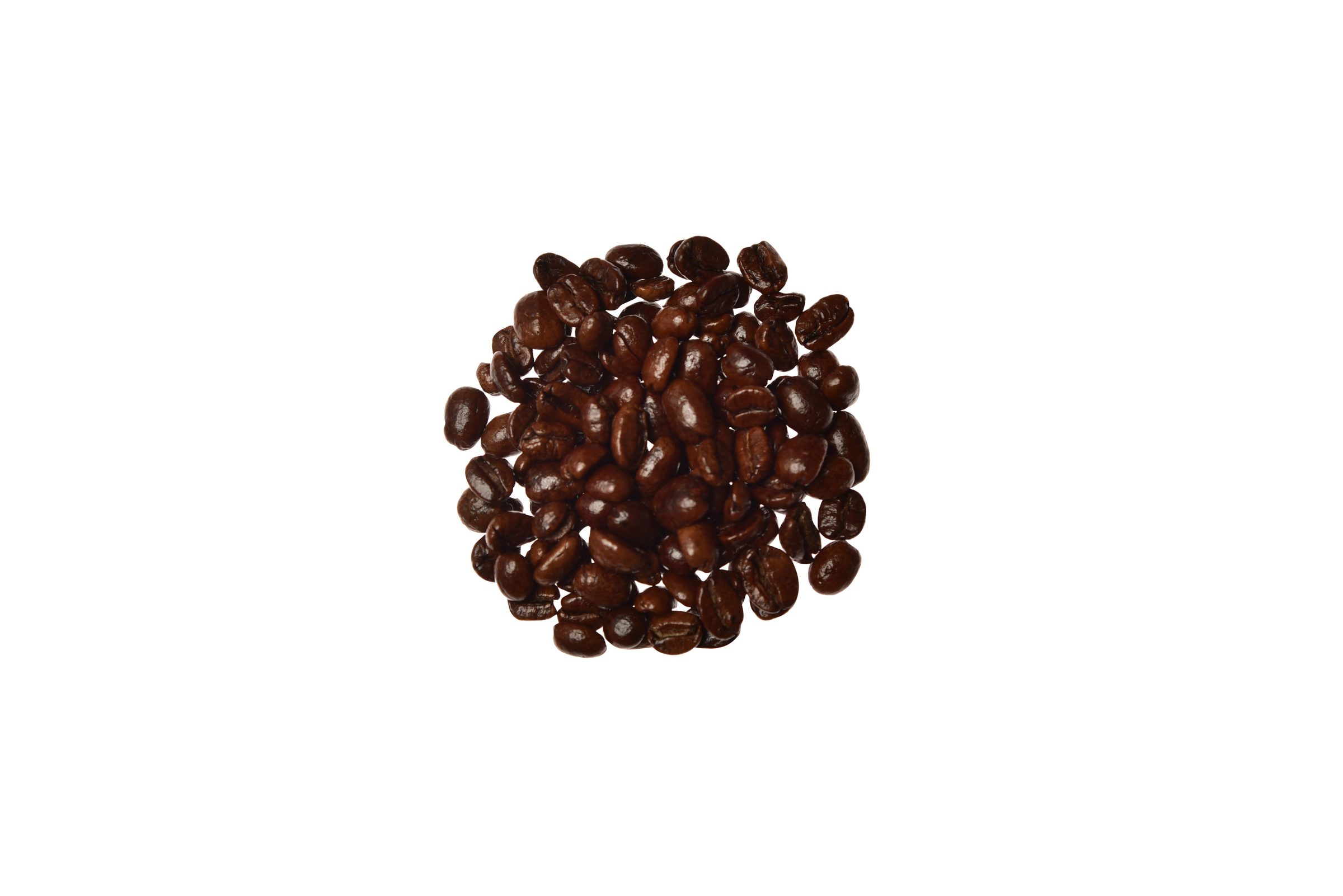
Hazelnut is the aroma that pulls people out of bed, the coffee you brew when you want the house to feel full — built on a Latin American base, roasted medium, and flavored with a restraint that took forty years to learn
| Processing | Washed |
|---|---|
| Roast Level | Medium |
| Caffeine | Fully caffeinated |
Roast Notes
Medium roast — enough heat to draw out the coffee's natural nuttiness and caramelize the sugars into something toasty and warm, not so much that it overpowers the hazelnut character. This is a roast that lets two things happen at once: the base coffee settles into a chocolate-caramel foundation, and the hazelnut settles into the coffee like it's been there all along
I have a theory about hazelnut coffee. The theory is that it’s not really about the coffee at all — at least not at first. It’s about the smell. You grind the beans and suddenly the kitchen is a bakery. Toasted nuts. Warm butter. Something sweet happening in the oven that you can’t quite identify but absolutely trust. You haven’t brewed a drop yet and already the day feels more generous than it did two minutes ago. That’s the thing about hazelnut. It’s an aroma that doesn’t just announce itself — it invites. It’s the smell of Sunday morning when nobody has anywhere to be. It’s the scent of a bakery that hasn’t opened yet but already has the ovens on. It’s the coffee equivalent of a sweater you reach for without thinking, because it’s always the right choice.
The hazelnut is a nut with an outsized presence. It’s smaller than an almond, rounder than a walnut, covered in a papery brown skin that cracks when you toast it and releases an aroma that fills a house. Oregon grows ninety-nine percent of the hazelnuts in the United States — a statistical dominance that borders on monopoly — but the world’s spiritual capital of hazelnut is Piedmont, Italy. In the Langhe hills, they grow the nocciola tonda gentile, the round gentle hazelnut, prized for its intense flavor and high oil content. The Piedmontese roast these hazelnuts and grind them with chocolate to make gianduja — the paste that gave the world Nutella, that chocolate-hazelnut spread that Europeans treat as a breakfast staple and Americans treat as a controlled substance. The tradition goes back to Napoleon, whose Continental Blockade cut off British cocoa shipments and forced Piedmontese confectioners to stretch their chocolate by adding ground hazelnuts. The result was better than what it replaced. That’s often how these things work.
This coffee is built on that same principle: the hazelnut doesn’t replace the coffee. It makes the coffee better. The base is a seasonal selection of Central and South American Arabica — Colombia, Guatemala, Costa Rica — coffees chosen for their naturally nutty, chocolate-forward character. A washed Colombian with its clean body and caramel sweetness. A Guatemalan with its cocoa depth and toasty warmth. These are not background players. They’re the structure. The body. The reason the cup feels like coffee with hazelnut rather than hazelnut with some coffee somewhere in the background.
“You grind the beans and suddenly the kitchen is a bakery. You haven’t brewed a drop yet and already the day feels more generous than it did two minutes ago.”
We roast to medium. If you roast darker, the char competes with the nuttiness. If you roast lighter, the acidity pokes through where it doesn’t belong — a bright, citrusy hazelnut is a contradiction in terms. Medium is the zone where the base coffee’s sugars caramelize into something warm and toasty, the chocolate notes develop fully, and the hazelnut has room to express itself without fighting for space. It’s a narrow window. We’ve been aiming for it since 1979.
The hazelnut character in this cup is roasted and genuine. Not raw. Not candied. Not the syrupy sweet of a coffee-shop pump bottle that was formulated in a lab and hasn’t seen a real hazelnut in its entire existence. Think of hazelnuts spread on a sheet pan, toasted at 350 degrees, the skins darkening and cracking, the kitchen filling with that deep, woodsy, slightly sweet aroma that makes you check the oven even when you know nothing’s in it. That’s what surfaces the moment hot water hits the grounds. The first sip is smooth — medium body, low acidity, no sharp edges. The hazelnut is forward but not aggressive. It doesn’t demand attention. It just assumes it.
As the cup cools, secondary notes start threading through. Caramel — not the hard-crack candy kind, but the soft, pourable caramel you’d drizzle over something. Brown butter, with that faint nutty depth that browned milk solids bring — the hazelnut and the butter playing off each other in a way that makes you wonder why more coffees don’t taste like this. A whisper of cream at the edges, rounding everything out. Maybe a hint of milk chocolate if you’re paying attention, the kind of note that makes hazelnut the most popular flavored coffee on earth. The finish is clean and sweet, leaving a nutty warmth that lingers without overstaying. This is not a coffee that asks anything of you. It’s a coffee that gives.
“The hazelnut character is roasted and genuine. Not raw. Not candied. Not the syrupy sweet of a coffee-shop pump bottle.”
The occasion for hazelnut is specific but broad. It’s morning coffee, first and foremost — the pot you start while the house is still quiet, before anyone else is awake, before the demands of the day have lined up at the door. It’s also afternoon coffee, the two o’clock cup you pour when you need something warm and familiar but don’t want the brightness or acidity of a single-origin demanding your full attention. It’s cozy coffee. Sweater coffee. Coffee you drink while looking out a window at weather you’re glad you’re not in. It’s the coffee you serve to guests who say they don’t like flavored coffee and then ask for the name of what they just drank.
What it pairs with: shortbread — the plain kind, nothing dipped in chocolate, let the hazelnut do the flavor work. Almond biscotti. A plain croissant, warm from the oven, nothing on it. Oatmeal with brown sugar and a pat of butter melting on top. Toast with butter and a light scrape of something sweet. This is not a coffee that competes with breakfast. It is breakfast. If you’re serving dessert, it stands up beautifully to dark chocolate — chocolate cake, flourless chocolate torte, anything with cocoa that wants a nutty counterpoint. And if you’re pouring it black in the afternoon alongside nothing at all, it’s perfectly willing to be the whole experience.
Brew it however you normally brew. Pour-over gives you the clearest read on the hazelnut — clean, defined, each note having its moment in sequence. Auto-drip turns it into the house coffee you’ll reach for three days in a row without thinking about why — it just always sounds good. French press leans into the body and makes the whole thing feel richer, rounder, more like dessert. Use a 1:16 ratio, water around 200°F. If you’re grinding whole bean, go a touch coarser than you would for a single-origin pour-over — it keeps the hazelnut forward and the finish sweet. A paper filter helps with the clean finish; metal lets more oils through and leans toward the buttery side. Neither is wrong. Both are hazelnut.
We’ve been roasting coffee in Lakewood, Colorado under our neighborhood brand, Village Roaster, since 1979. We didn’t invent flavored coffee — but we’ve spent more than four decades learning when to add, when to hold back, and when to let the coffee speak for itself. Hazelnut is the result of that restraint. It’s not a coffee that tries to convince you it’s something it’s not. It’s a coffee that knows exactly what it is and makes the room smell better for it. Open the bag. Grind the beans. Watch what happens to the kitchen.