Origin Story
The Coffee That Flew the Atlantic
Irish Cream coffee starts with a stormy night in 1942, a stranded flying boat, and a chef who poured whiskey into the coffee just to be hospitable. What happened next changed after-dinner drinking forever — and gave us one of the most beloved flavored coffees on earth
| Processing | Washed |
|---|---|
| Roast Level | Medium |
| Caffeine | Fully caffeinated |
Roast Notes
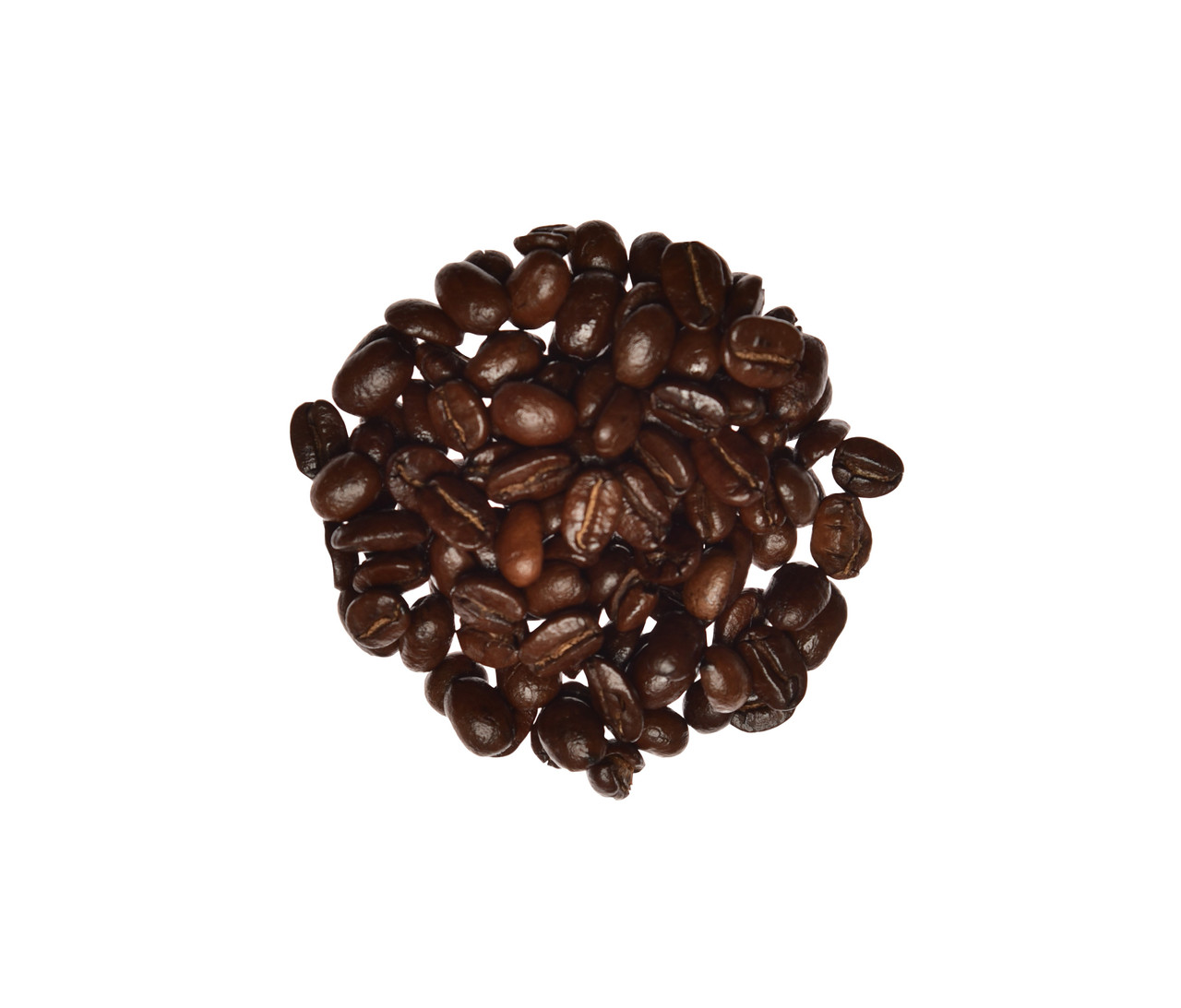
Medium roast — enough development to draw out the chocolate and caramel in the base coffee, light enough that the creamy character stays exactly where it belongs: front and center, impossible to miss, never shouting. The Central and South American base is chosen because it knows how to support without competing, the way a rhythm section holds a singer
Some flavors have origin stories that span continents and centuries — coffee cherries crossing the Red Sea, vanilla orchids hand-pollinated in the Indian Ocean, cacao beans traded as currency in Mesoamerican markets. Irish Cream has a better origin story than all of them, because Irish Cream was invented by accident in an airport cafeteria during a storm. I’m not making this up. Sometimes the best things happen when plans fall apart.
It was 1942, and a flying boat — one of those enormous, boat-hulled aircraft that crossed the Atlantic before runways were long enough for proper planes — was bound for New York. Bad weather forced it to turn back and land at Foynes Airport in County Limerick, on the west coast of Ireland. The passengers were cold, wet, and miserable. The airport’s chef, a man named Joe Sheridan, took one look at them and decided what they needed was coffee. But not just coffee. Coffee with something in it. He brewed a pot, poured in a generous measure of Irish whiskey, sweetened it with brown sugar, and floated a collar of thick, lightly whipped cream on top. When an American passenger asked if it was Brazilian coffee, Sheridan — with the perfect deadpan of a man who knew exactly what he’d done — said, “No, that’s Irish coffee.”
The drink became a quiet legend at Foynes and later at Shannon Airport, where Sheridan moved when the flying-boat era ended. It stayed a local Irish secret until 1952, when a San Francisco Chronicle travel writer named Stanton Delaplane — a man who had spent his career drinking in bars across the world and writing about it — tasted Irish coffee at Shannon and became obsessed. He brought the idea back to San Francisco and spent the next two years trying to recreate it with Jack Koeppler, the owner of a fisherman’s bar at the foot of Hyde Street called the Buena Vista Café. They failed repeatedly. The cream wouldn’t float. They consulted the mayor of San Francisco, who happened to own a dairy. They tried every pouring technique in the book. Finally, they cracked it: the cream had to be aged exactly forty-eight hours and beaten just until it thickened but before it peaked. The Buena Vista Café still serves Irish coffee today — more than two thousand a day, a glass every twenty-two seconds — using the exact same method Sheridan invented on that stormy night in 1942.
“Joe Sheridan took one look at the cold, wet passengers and decided what they needed was coffee. But not just coffee. Coffee with something in it.”
The Irish Cream liqueur came later, and it came from the same spirit of improvisation. In 1974, a team at Gilbeys of Ireland — led by a marketer named Tom Jago — was tasked with finding a way to export Irish whiskey and cream in a single product. The technical problem was formidable: blending whiskey with fresh dairy cream without the cream curdling or spoiling. It took nearly three years to solve. The final formula combined Irish whiskey, fresh cream, chocolate, and vanilla into a stable emulsion that tasted like a dessert but was built like a cocktail. They called it Baileys, after a sign Jago saw above a London restaurant. It became the best-selling cream liqueur in the world.
What does any of this have to do with flavored coffee? Everything. Because when we sat down to build Irish Cream coffee, we didn’t start with a bottle of flavoring. We started with the drink. We asked ourselves: what makes Irish cream taste like Irish cream and not just sweet coffee? The answer is a specific alchemy — whiskey-like warmth, fresh cream richness, a thread of chocolate, and a vanilla undertone that rounds the edges without announcing itself. It’s not one note. It’s four notes working together, the way the liqueur works, the way Sheridan’s original Irish coffee worked. Our job was to land that same balance on a coffee base.
The base matters more than anyone talks about. We use a washed Central and South American blend — Colombia, Guatemala, Costa Rica — coffees chosen for their natural chocolate and caramel character, roasted to a true medium. If you roast darker, you lose the cream. If you roast lighter, the acidity pokes holes in the liqueur richness. Medium is the zone where the base coffee caramelizes into something round and sweet, providing a foundation that supports the Irish cream profile the way a shortbread biscuit supports a layer of chocolate.
In the cup, Irish Cream announces itself on the aroma alone — creamy, sweet, with that distinctive liqueur-like richness that makes you check the bag label even though you know what you bought. The first sip is smooth and full, with vanilla and cream leading, chocolate threading through the middle, and a caramel sweetness that hangs at the edges. The body sits at medium — substantial enough to feel like coffee, not so heavy that it feels like dessert. The finish is where the real work shows: clean, sweet, no chemical linger, no sticky aftertaste that makes you reach for a glass of water. Just the warm memory of a creamy, chocolate-kissed cup that you’d pour again before the last sip cooled.
“The base matters more than anyone talks about. You can’t build Irish Cream on a bitter foundation any more than you can float cream on bad whiskey.”
This is an after-dinner coffee, first and foremost. It’s the pot you brew when the plates are cleared and the conversation’s still going and nobody’s checking the time. It’s the coffee on Christmas Eve, in a room lit only by tree lights, when the gifts are wrapped and the only thing left to do is sit still and enjoy the quiet. But it’s also the coffee on a Tuesday night in March, after a long day, when you need something that feels like a reward without requiring a bartender. Irish Cream doesn’t demand a special occasion. It creates one.
What it pairs with: chocolate in any form — cake, truffles, a simple square of dark. Shortbread. Vanilla pound cake. A cheese plate, especially with a sharp cheddar or a nutty Gruyère that the creaminess can play against. A quiet house and a comfortable chair. The absence of an early alarm.
Brew it on auto-drip when you’re making a pot for guests — this coffee was designed for hospitality, and it performs best when there are mugs to fill. French press deepens the body and makes the cream character feel even more indulgent, closer to the liqueur itself. Pour-over gives you a cleaner read on the individual notes — vanilla first, then chocolate, then that caramel glide. Standard ratio, water around 200°F, paper filter. Add a splash of cream if you want to lean all the way in. Drink it black if you want the coffee to do the work. Either way, it delivers.
We’ve been roasting coffee in Lakewood, Colorado under our neighborhood brand, Village Roaster, since 1979. Irish Cream is the coffee we make for the part of the day when caffeine doesn’t matter and pleasure does. It’s built on the same standards as our single-origins, roasted with the same attention, cupped with the same palate. The fact that it tastes like an after-dinner drink is not a compromise. It’s the point.