Origin Story
Chocolate That Warms Twice — After Dark
Mexican Chocolate Decaf isn't just a flavor — it's a tradition. Cocoa ground with cinnamon on a stone, whisked into warm milk, sipped slow. This coffee carries that memory into every cup, and it lets you sip it at 9 PM without looking at the clock.
| Roast Level | Medium Dark |
|---|---|
| Decaf | Yes — Swiss Water Process |
Roast Notes
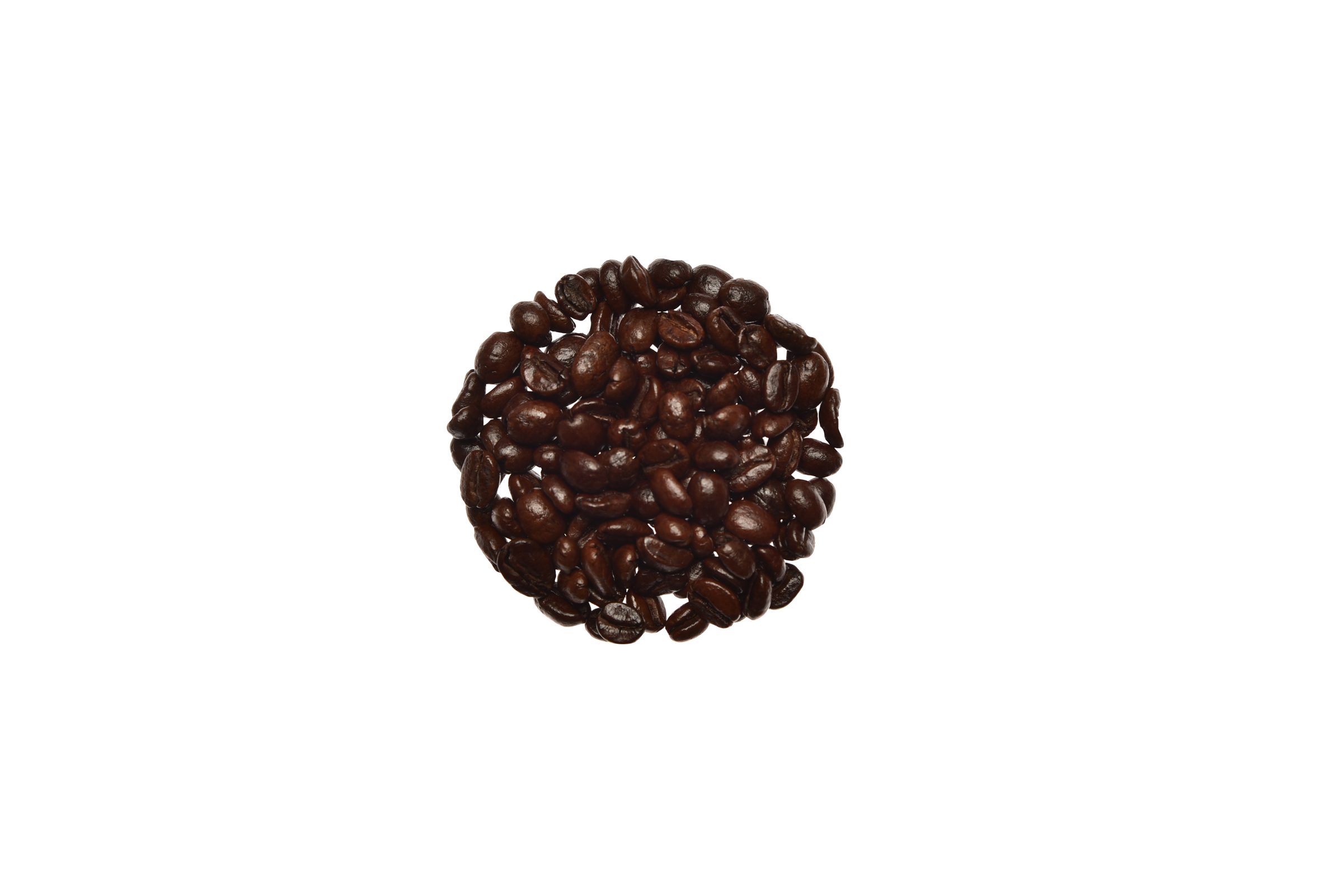
Medium-dark roast on a decaf Central and South American base — pushed just past medium to deepen the chocolate and coax out the cocoa richness, but stopped well before any bitterness or roast char creeps in. The decaf process is Swiss Water, which strips caffeine without stripping character, leaving the chocolate-forward body intact so cinnamon and spice land exactly where they should
There’s a particular kind of chocolate that doesn’t just taste sweet — it tastes warm. Not warm in temperature, though that too, but warm in the way cinnamon is warm, the way cloves are warm, the way something feels like it’s been simmering on the stove long before you walked into the room. That’s Mexican chocolate. If you’ve had it — the real thing, the grainy discs wrapped in paper, melted into milk with a cinnamon stick alongside — you know the flavor I’m talking about. It’s cocoa with depth. Chocolate with a backbone. Sweetness that doesn’t giggle. And sometimes you want it at night, when the day is done and the last thing you need is caffeine standing between you and sleep. That’s why this decaf exists.
Our Mexican Chocolate Decaf starts with that memory and builds a cup around it — the same cup as our original Mexican Chocolate, just without the buzz. Open the bag and the aroma makes its intentions clear immediately: dark cocoa, cinnamon bark, something faintly spicy underneath that you can’t quite place — clove, maybe, or the ghost of chile without the heat. It smells the way a Mexican kitchen smells in December, when hot chocolate is the answer to every question. The base is a blend of Central and South American Arabica — Colombia, Guatemala, southern Mexico — decaffeinated through the Swiss Water Process, which removes caffeine using nothing but water, temperature, and time. No chemicals. No solvents. Just patience. The coffees are chosen because they already lean toward cocoa, because their natural body holds weight, because they’re not going to disappear behind cinnamon the way a delicate East African would.
“It smells the way a Mexican kitchen smells in December, when hot chocolate is the answer to every question — and you can drink it at midnight.”
We roast to medium-dark — a deliberate choice. Medium-dark is the roast where chocolate happens. The sugars in the bean have caramelized past fruit and into cocoa territory, but the roast hasn’t tipped into the charred bitterness that would fight the cinnamon instead of welcoming it. Decaf beans roast differently — they develop faster, darken quicker — so our roast team watches this batch with particular attention, pulling it at the exact moment the chocolate peaks. The result is a base coffee that already reads as chocolate before anything else touches it. When the cinnamon and spice join, they’re not arriving at a stranger’s house. They’re coming home.
In the cup, this is a coffee with presence. The body sits at medium-full — fuller than our other flavored coffees, closer to what you’d expect from a dessert coffee that’s not apologizing for being dessert. The first sip is cocoa — not the powdery kind, but the deep, almost bittersweet chocolate of a good mole base, the kind that makes you close your eyes for half a second. Cinnamon follows immediately, warm and fragrant, not the harsh red-hot candy version but the real bark, the kind that blooms in liquid. As the cup cools, the spicier notes surface: a whisper of clove, maybe almond, something that tickles the back of the palate without ever announcing heat. The sweetness is creamy rather than sugary — think of the milk that’s been simmering with the chocolate disc, not sugar dumped in after.
The finish is what separates this from every other decaf flavored coffee on the shelf. It’s long and warm — cinnamon and cocoa trailing together, fading slowly, leaving behind a gentle spice and a creaminess that makes you want the next sip before the last one’s finished. No chemical sharpness. No sticky aftertaste. No feeling like you need to brush your teeth. No caffeine to keep you staring at the ceiling at 2 AM. Just the lingering warmth of a drink that was made to be savored, at any hour.
This is the coffee you brew after dinner when the plates are cleared, the candles are still burning low, and everyone’s too comfortable to move to the living room. It’s the coffee on a quiet Tuesday night in November when you’re reading by lamplight and want something warm that won’t interfere with the chapter you’re about to lose yourself in. It’s the coffee you pour when someone you love is coming over for dessert and you want them to walk in and say what is that smell? — and you want to be able to pour them a second cup without either of you worrying about the hour.
What it pairs with: churros — obviously. Pan dulce, especially the ones with the pink sugar on top. Flan, caramel-side up, where the custard and the cocoa trade off in the same bite. A simple cinnamon-sugar toast when you want the coffee to be the main event. Dark chocolate, the high-percentage stuff that makes milk chocolate taste like a compromise. And if you’re the kind of person who keeps Abuelita or Ibarra in the pantry, brew this coffee, drop a wedge of the disc into the pot, and call it an evening well spent.
Brew it on French press — this is the method that does it the most justice. The immersion pulls out the full body and gives the cocoa and cinnamon room to stretch. It’s the closest you’ll get to the velvety thickness of Mexican hot chocolate without actually melting chocolate into your coffee. Auto-drip works beautifully for a crowd — this is the pot you make after a dinner party when there are six people lingering at the table and nobody wants the night to end. Pour-over gives you a cleaner, more defined cup where the individual notes — cocoa, then cinnamon, then clove — arrive in sequence rather than all at once. Espresso turns it into something else entirely: a concentrated shot of chocolate-spice that stands up to steamed milk in a late-night latte. Use a 1:15 ratio, water just off boil. Let it steep a few seconds longer than you normally would. Patience here isn’t a virtue — it’s the recipe.
We’ve been roasting coffee in Lakewood, Colorado under our neighborhood brand, Village Roaster, since 1979. We’ve spent four decades learning what coffee can do — and what decaf can do, when it’s treated with the same respect as the rest of the roastery. Mexican Chocolate Decaf is proof that decaf doesn’t mean compromise. It means you can have the chocolate, the cinnamon, the warmth, and the long slow finish — and still get a good night’s sleep.