Origin Story
Decaf That Never Leaves Home
The Mountain Water Process decaffeinates this coffee in Mexico — same country as the origin, using glacial water from Pico de Orizaba — and the Chiapas character comes through intact
Harvest Season
| Varietal(s) | Typica, Bourbon, Caturra, Mundo Novo |
|---|---|
| Processing | Washed + Mountain Water Decaf (Descamex, Mexico) |
| Roast Level | Medium |
| Decaf | Yes — Swiss Water Process |
Roast Notes
Medium roast — decaf beans are more porous and take heat faster, so we ease into first crack and drop earlier. The goal is to land in the same chocolate-citrus sweet spot as our caffeinated Chiapas, preserving the brightness that the Mountain Water process spares
Most decaf coffee is a story of two countries. The coffee grows in one place, ships to another for decaffeination — a chemical plant in Germany, a Swiss Water facility in Canada — and arrives at the roastery with a passport full of stamps and a muted version of whatever it tasted like before the journey. Mexico Decaf tells a different story, and it starts with a mountain.
Pico de Orizaba, at 5,636 meters, is the highest peak in Mexico and the third-highest in North America. Its glacial meltwater feeds the springs around Córdoba, Veracruz — the same water the Descamex facility uses for the Mountain Water Process. This is Mexico’s answer to the Swiss Water Process: a 100% chemical-free method that uses nothing but pure water, temperature, and time. Green coffee is soaked to draw out caffeine and flavor compounds; the water passes through activated carbon that traps only caffeine; the flavor-saturated water then decaffeinates fresh beans, so the flavor stays put. The difference is where it happens.
“The coffee never leaves its country of origin — grown in Chiapas, decaffeinated in Veracruz, all within Mexico’s coffee heartland.”
The green coffee starts in the same place as our Mexico Chiapas: the highlands of the Sierra Madre de Chiapas, grown by indigenous Tzeltal and Tzotzil smallholders under shade trees at 1,200 to 1,800 meters. Same Typica, Bourbon, Caturra, and Mundo Novo — same citrus-chocolate-nutty signature. After washing and drying, instead of crossing an ocean, it travels by truck a few hundred kilometers north to Córdoba. Decaffeination happens in-country, with Mexican water, under Mexican skies. The carbon footprint is smaller. The transit time is shorter. The coffee has spent less time in transit and more time being coffee.
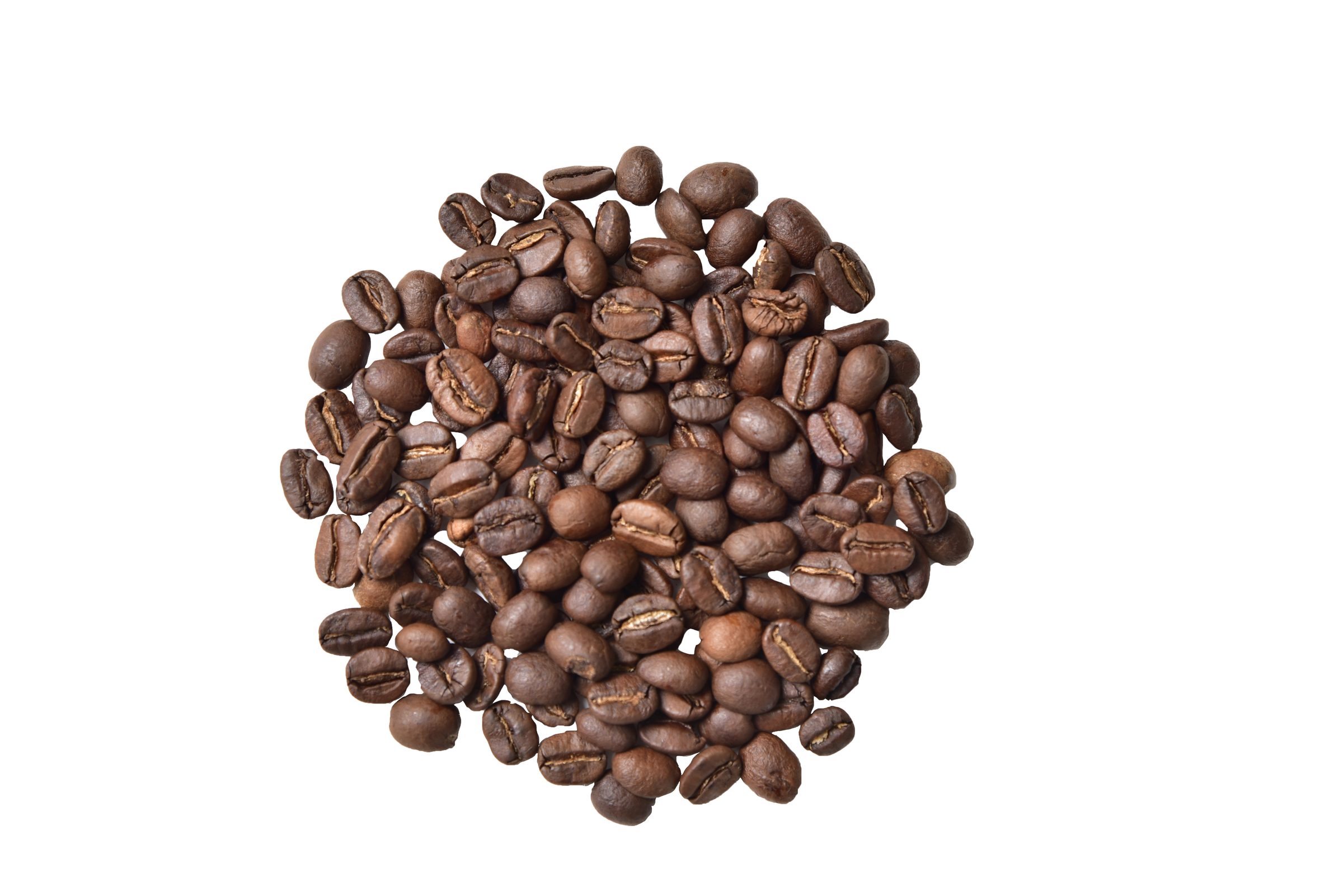
In the cup, Mexico Decaf is a Chiapas coffee that happens to be decaf — not a decaf coffee that happens to come from Chiapas. Citrus hits first, bright orange zest with a clean acidity that defies the flat, woody stereotype. Milk chocolate follows, smooth and sweet, the backbone of the cup. As it cools, toasted almond and caramel surface — the nutty warmth that defines the region. Medium body, clean finish, and at no point does the coffee announce it’s been decaffeinated. The Mountain Water Process removes 99.9% of the caffeine and leaves the Chiapas character intact.
Roasting decaf requires care. The water process opens the bean’s cell structure, making it more porous and thermally reactive — it wants to race through first crack before the citrus notes survive. We roast to a true medium, easing the heat early and dropping sooner. The result tastes like Chiapas, not like roast character covering up a process.
Brew on whatever you have. Pour-over separates the citrus from the chocolate. Auto-drip holds its own — this is a decaf you can brew for a crowd. French press brings out the body. The Aeropress makes a quick, clean afternoon cup. Use a 1:16 ratio with water at 200°F, and a slightly coarser grind than you’d use for the caffeinated Chiapas.
We’ve been roasting coffee in Lakewood, Colorado under our neighborhood brand, Village Roaster, since 1979. We carry Mexico Decaf because it proves that great decaf doesn’t require a long journey or a chemical solvent — just good coffee, clean water, and the wisdom to keep the process close to home. Bright citrus. Smooth chocolate. Toasted nut. From indigenous cooperatives in Chiapas. Available any time of day or night. Organic by tradition. Decaf by design. All of it, Mexico.