Origin Story
Brightness Without the Buzz
The Scandinavian roasting tradition is built on getting out of the way. Swiss Water Process decaffeination follows the same rule — remove the caffeine, leave everything else. The result is a light-roast decaf that actually tastes like a light roast.
| Processing | Washed, Swiss Water® Process decaffeination |
|---|---|
| Roast Level | Light Medium |
| Decaf | Yes — Swiss Water Process |
Roast Notes
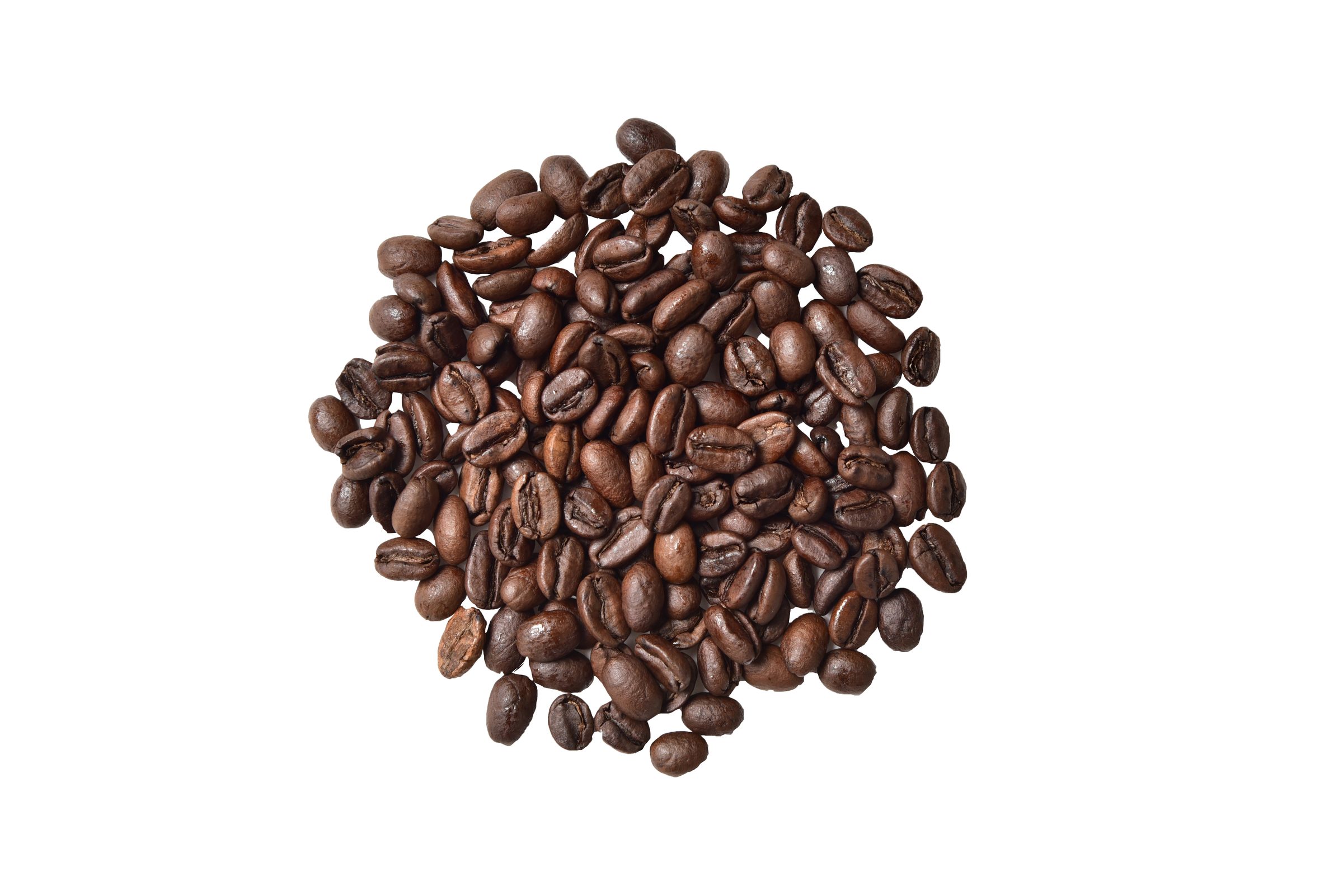
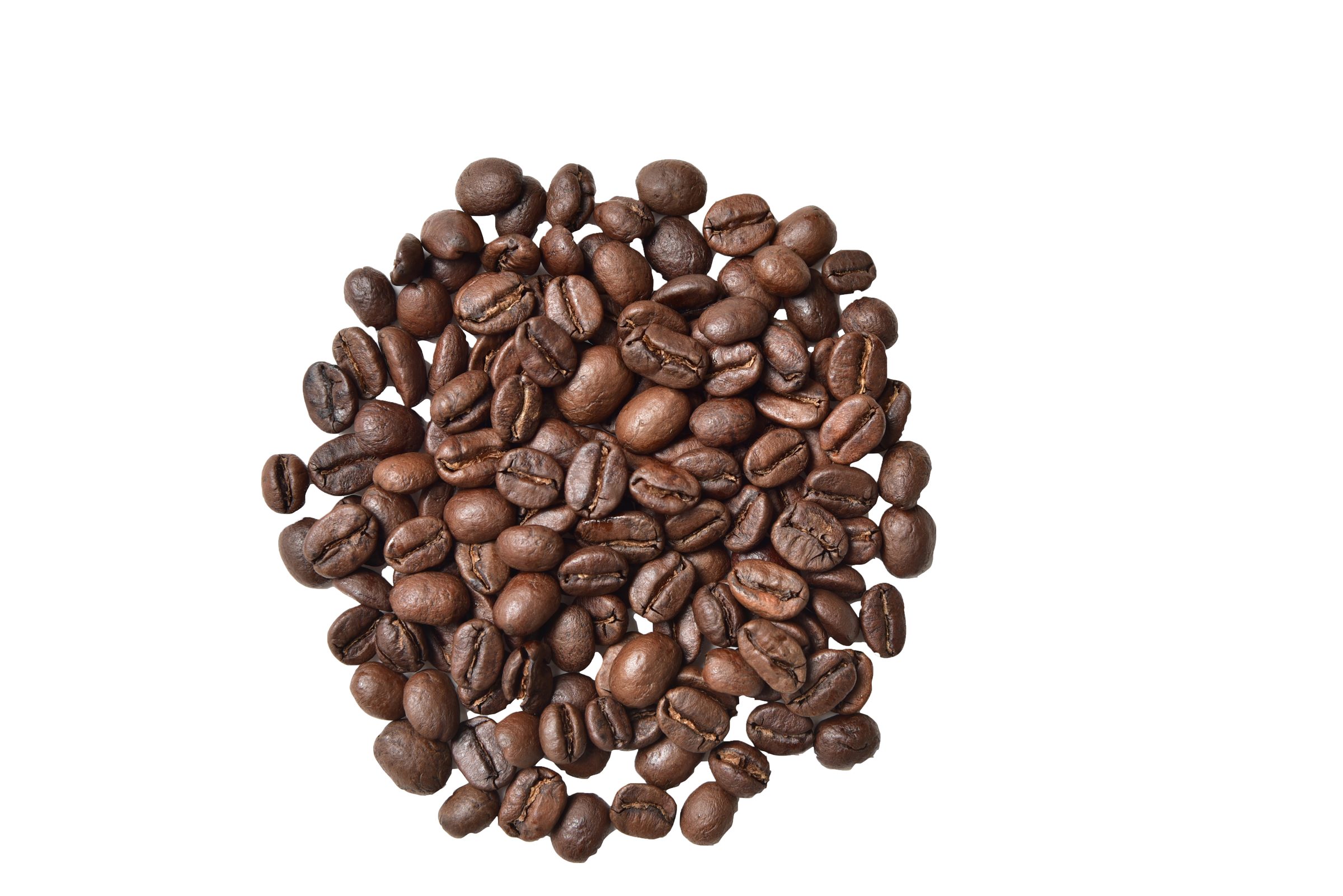
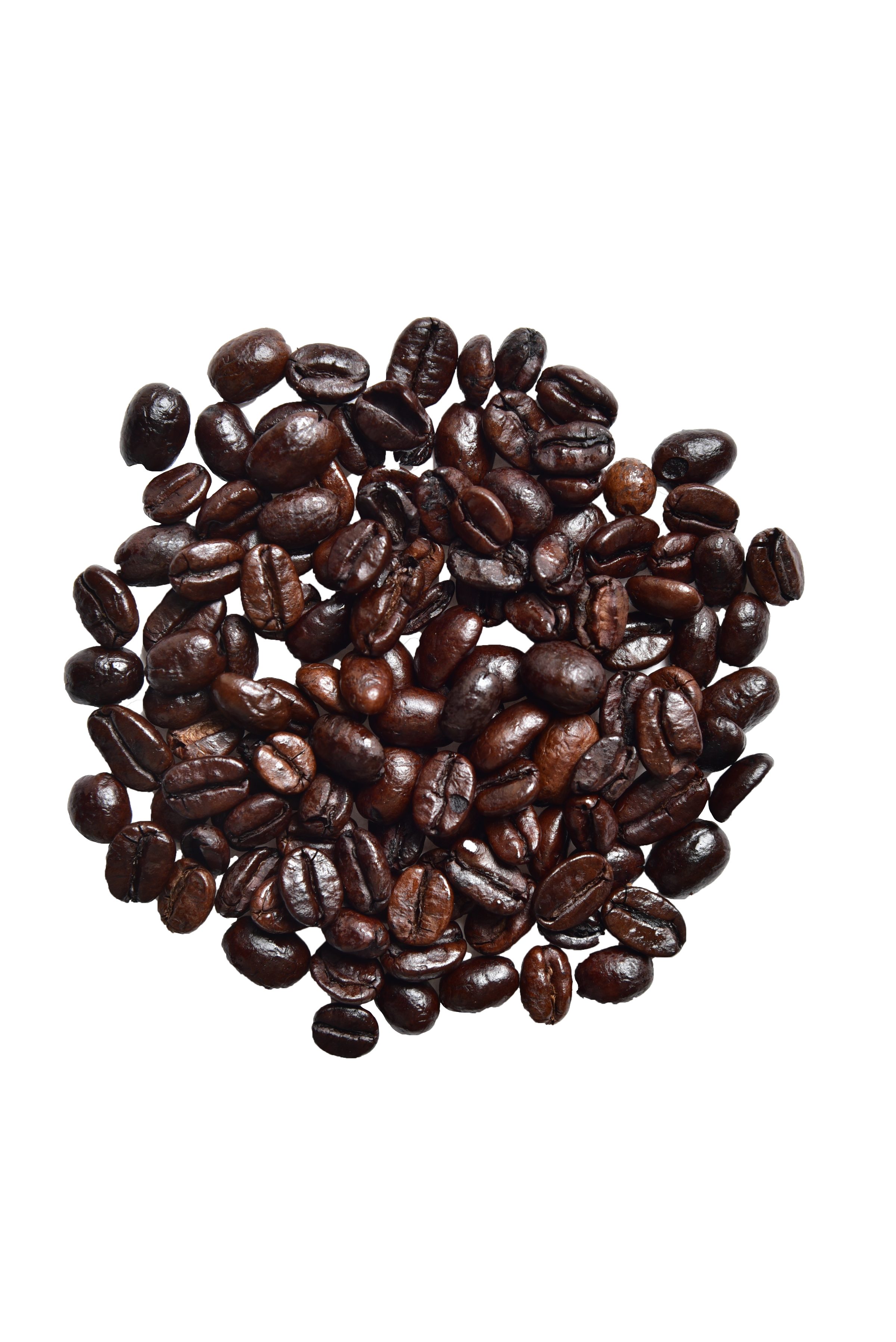
Light-medium — stopped just far enough past first crack to avoid underdevelopment, not far enough to taste the roasting process itself. The Scandinavian approach is restraint. No caramelization, no roast character. Just the bean, the altitude, the processing, and the soil. In the drum, this means paying attention to the gap between 'this needs more time' and 'you went too far.' It's about fifteen seconds wide. Decaffeination via Swiss Water Process happens before roasting and doesn't alter the roast calculus — the beans still need exactly the same delicate touch
There is a small, stubborn problem with light-roast decaf, and it has kept most roasters from offering one: light roasting exposes everything. There’s no caramelization to hide behind, no roast character to fill gaps, no body to paper over thin spots. If the green coffee has been damaged by decaffeination — and traditionally, most decaf green coffee has been — a light roast will announce that damage in the cup like a smoke alarm. Flat acidity. Hollow mid-palate. A finish that tastes like paper. The reason most decaf on the market is roasted dark isn’t preference. It’s camouflage.
Scandinavian Decaf exists because Swiss Water Process changed the math. When decaffeination uses nothing but water, temperature, and time — no chemical solvents, no heat stress, no cellular-level damage to the bean structure — the green coffee that arrives at the roaster is intact. The volatile aromatic compounds that produce jasmine and elderflower are still there. The organic acids that produce bright, clean citrus are still there. The bean is just a bean, minus the caffeine molecule. And if the bean is intact, a light roast becomes possible.
“Most decaf is roasted dark not by preference but by necessity. Scandinavian Decaf is the exception that proves the rule.”
The base is a selection of washed East African and Central American coffees — Ethiopian and Kenyan lots for floral aroma and citric brightness, Central American lots for clean structure and toasty warmth. These are coffees that reward restraint at any roast level, and at light-medium they sing. Jasmine and elderflower on the aroma. Lemon zest and bergamot in the acidity. Warm, fresh toast giving the cup structure without weighing it down. The body is light-medium and silky. The finish is clean, quick, and citrus-bright — the kind of finish that makes you reach for the next sip. And because there’s no caffeine, you can.
The roast profile is identical to the caffeinated Scandinavian Blend: light-medium, stopped just past first crack, in that fifteen-second window where the coffee is developed enough to avoid vegetal notes but not far enough to taste caramelization. The decaf step happens before the coffee ever sees the drum. By the time our roaster is watching the temperature curve, the beans are behaving exactly like their caffeinated counterparts. Same endothermic flash. Same first-crack timing. Same development window. The roast doesn’t know the difference, and neither will you.
Brewing Scandinavian Decaf rewards the same attention the original does. Pour-over is the move — V60 or Kalita, 200-205°F water, 1:16 ratio, grind slightly finer than you’d use for a darker roast. The lighter roast means denser, less porous grounds that need more surface area for proper extraction. If it tastes sour, grind finer. If it tastes astringent, back off. French press works but mutes some of the floral lift. Auto-drip is fine for convenience. The point is that this coffee gives you options the same way a good light roast always does — and it gives them to you at 9 PM if you want them.
We’ve been roasting coffee in Lakewood, Colorado under our neighborhood brand, Village Roaster, since 1979. For most of those years, the answer to “do you have a light-roast decaf?” was a polite no. We weren’t going to put our name on something that didn’t taste like coffee. Swiss Water Process changed the answer. Scandinavian Decaf is the coffee that finally let us say yes.