Origin Story
What Mandheling Actually Means
A broad trade term, a colonial mispronunciation, and a coffee that is not one farm
Harvest Season
| Varietal(s) | Local typica and catimor cultivars |
|---|---|
| Processing | Wet hulled |
| Roast Level | Dark |
| Caffeine | Fully caffeinated |
Roast Notes
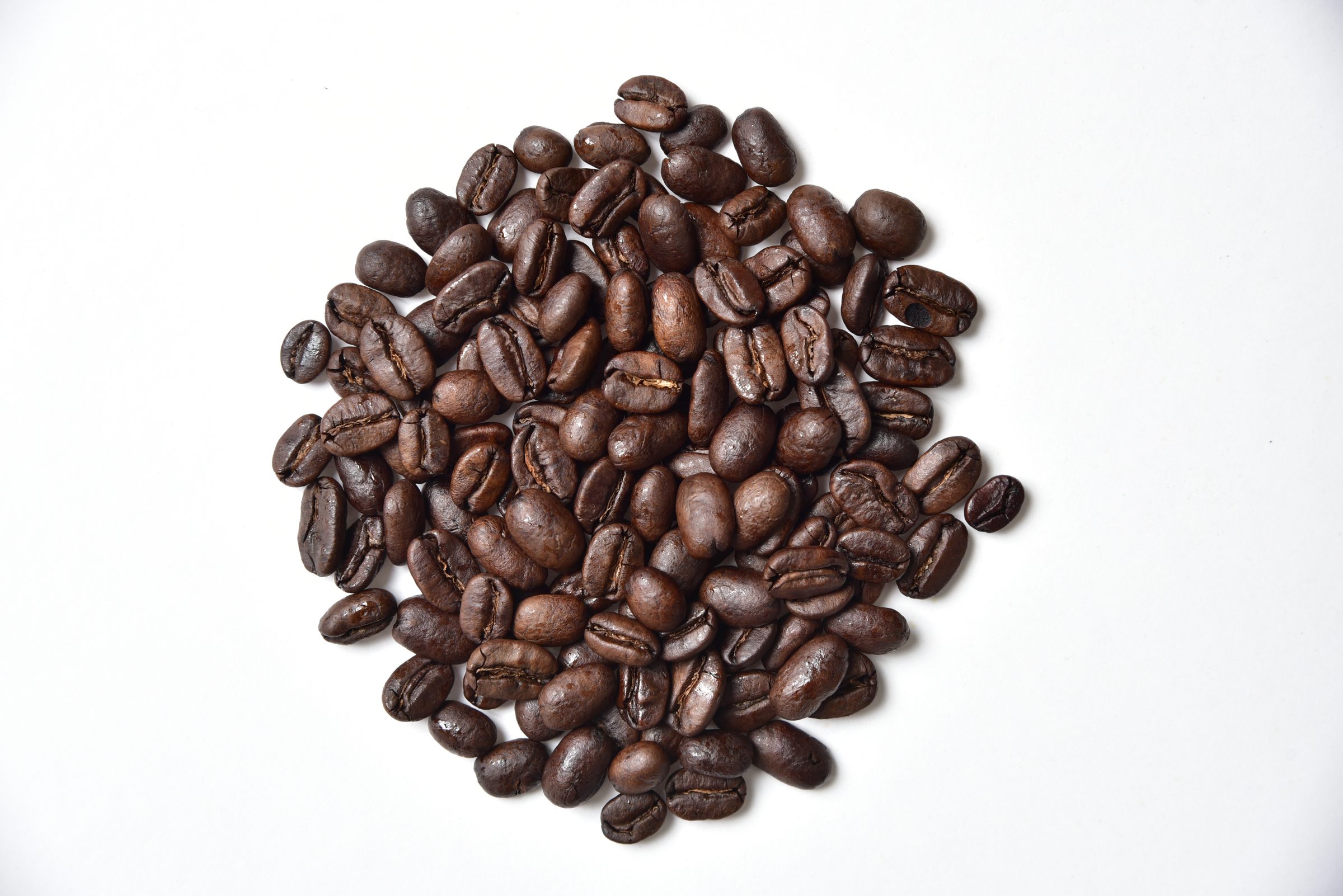
Full dark roast — Mandheling takes heat beautifully; push past second crack and the chocolate deepens, the herbs intensify, and the body turns velvety without going acrid
The name “Mandheling” is a mistake that outlived the people who made it.
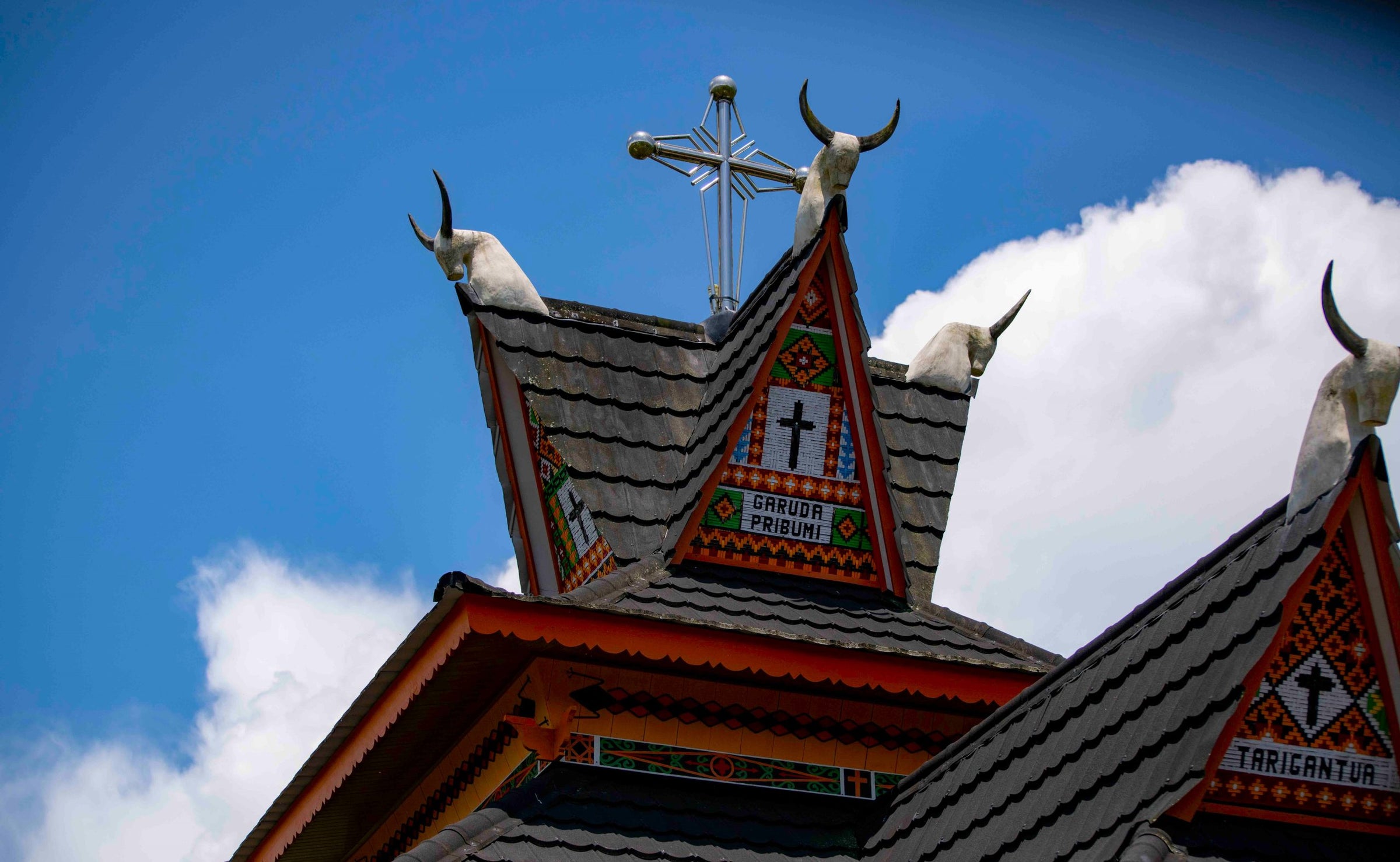
During the Dutch colonial era, European traders in Sumatra encountered the Mandailing people, an ethnic group from the north of the island, and mangled the pronunciation the way colonial trade did. “Mandheling” became the designation for coffee from the region, and it survived the Dutch departure, Indonesian independence, the specialty coffee era, and every rebranding since. It is now one of the most recognized trade names in coffee, and almost nobody knows it started as a misspelling.
Here is the part that matters, and it is not a small one: Mandheling is a trade term, not a place. It applies to almost any blend of wet-hulled coffees from across the northern half of Sumatra that fits a generic cup profile — heavy on the palate, earthy in balance, complex. It is not a single farm, a single washing station, or a single variety. The regional names in that part of Sumatra were originally drawn from ethnicity rather than geography: Mandheling is a widespread cultural group across Sumatra and Malaysia, and “Batak,” a Mandheling sub-ethnicity around Lake Toba, is a smaller regional pedigree that gets marketed on its own.
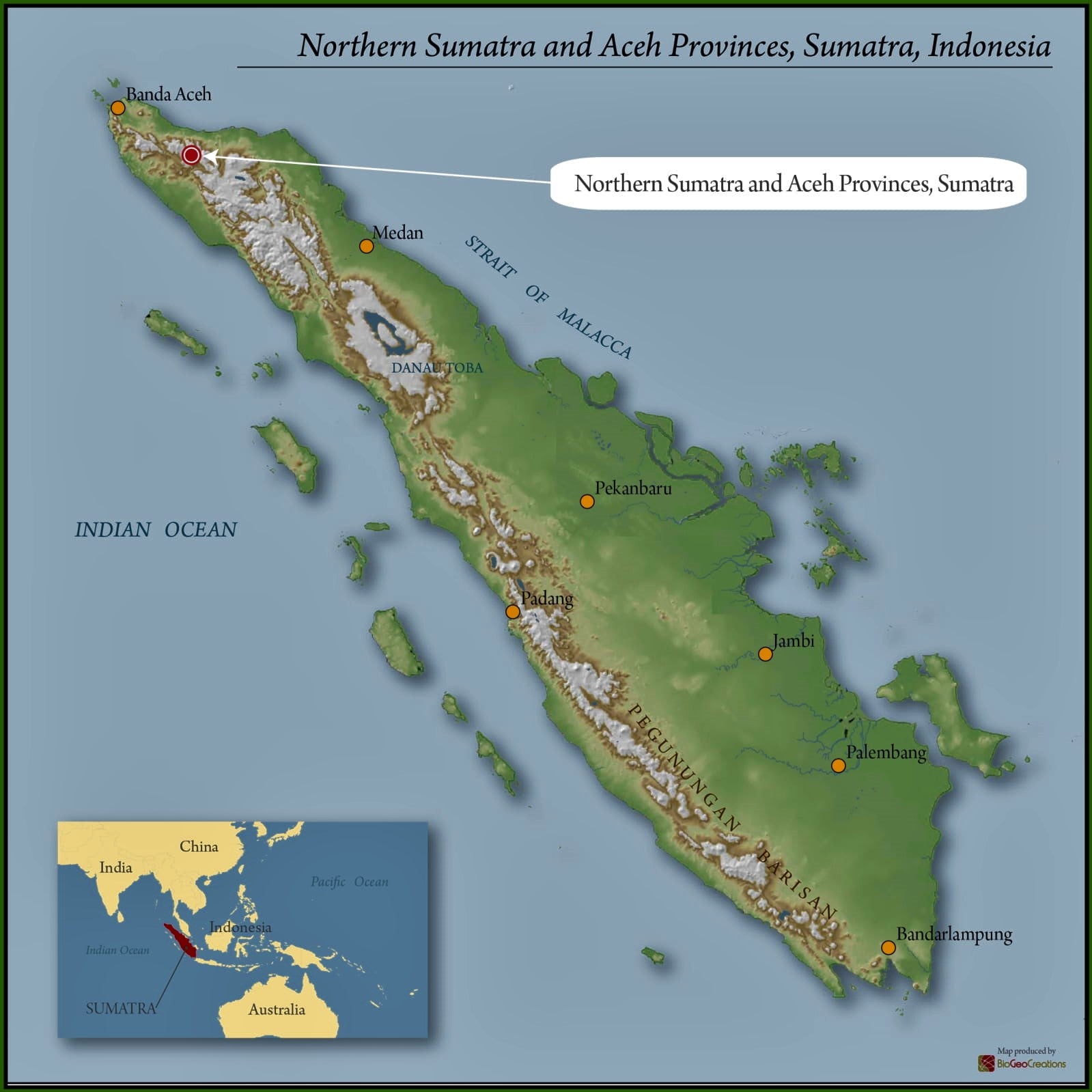
This lot comes from smallholder farmers across the two main northern producing provinces, Aceh and North Sumatra, both fortified with volcanic soils. Aceh is the northernmost province, and its highland territory around Lake Tawar and the city of Takengon is considered the epicenter of one of the more distinctive terroirs in the world. North Sumatra, just below it, is high grasslands, mountain ranges, and Lake Toba. Altitudes here run 1,200 to 1,700 meters, and the farms tend to average half a hectare to two hectares.
“Mandheling is a trade term, not a place. A bag of it is a blend of wet-hulled coffees from across northern Sumatra.”
Processing here is worth understanding, because no single person oversees it. Coffee moves task by task through different parties before it reaches its final dried state. Each village has a collector who receives fresh-picked cherry or humid parchment. Once a batch is depulped, fermented overnight, washed clean, and quickly sun-dried to the touch, the collector delivers it to a central miller. At the mill the coffee is mechanically hulled of its parchment while it is still soft and high in moisture — the wet-hulling step — and then spread on large patios to finish drying.
On flavor: the Royal brief for this lot does not carry a cupping score or tasting notes, so we are not going to write flavor claims we cannot source. What the region and process support is the profile a good Mandheling has: a heavy body, low acidity, and an earthy depth that comes directly from the wet-hull window. The notes carried on this page are the ones the coffee has historically been described with, and they will be replaced with this lot’s own cupping data when it is in.
We roast it dark. A Mandheling at a light roast is a waste — the body stays thin and the character stays raw. Dark is where this style belongs. Watch it past second crack; it will take more heat than a washed coffee without losing structure.
Brew it on French press. Coarse grind, water at 200°F, four minutes, plunge. Pour-over will clarify the cup if you want it lighter. Espresso with milk is how a great many people meet this coffee, and it is a reasonable way in.
We’ve been roasting coffee in Lakewood, Colorado under our neighborhood brand, Village Roaster, since 1979.
Buying green? The 2, 5 and 10 lb options are raw, unroasted coffee beans. They arrive as green coffee and cannot be brewed as they are. Roast them first, then brew.