Origin Story
The Shape of Concentration
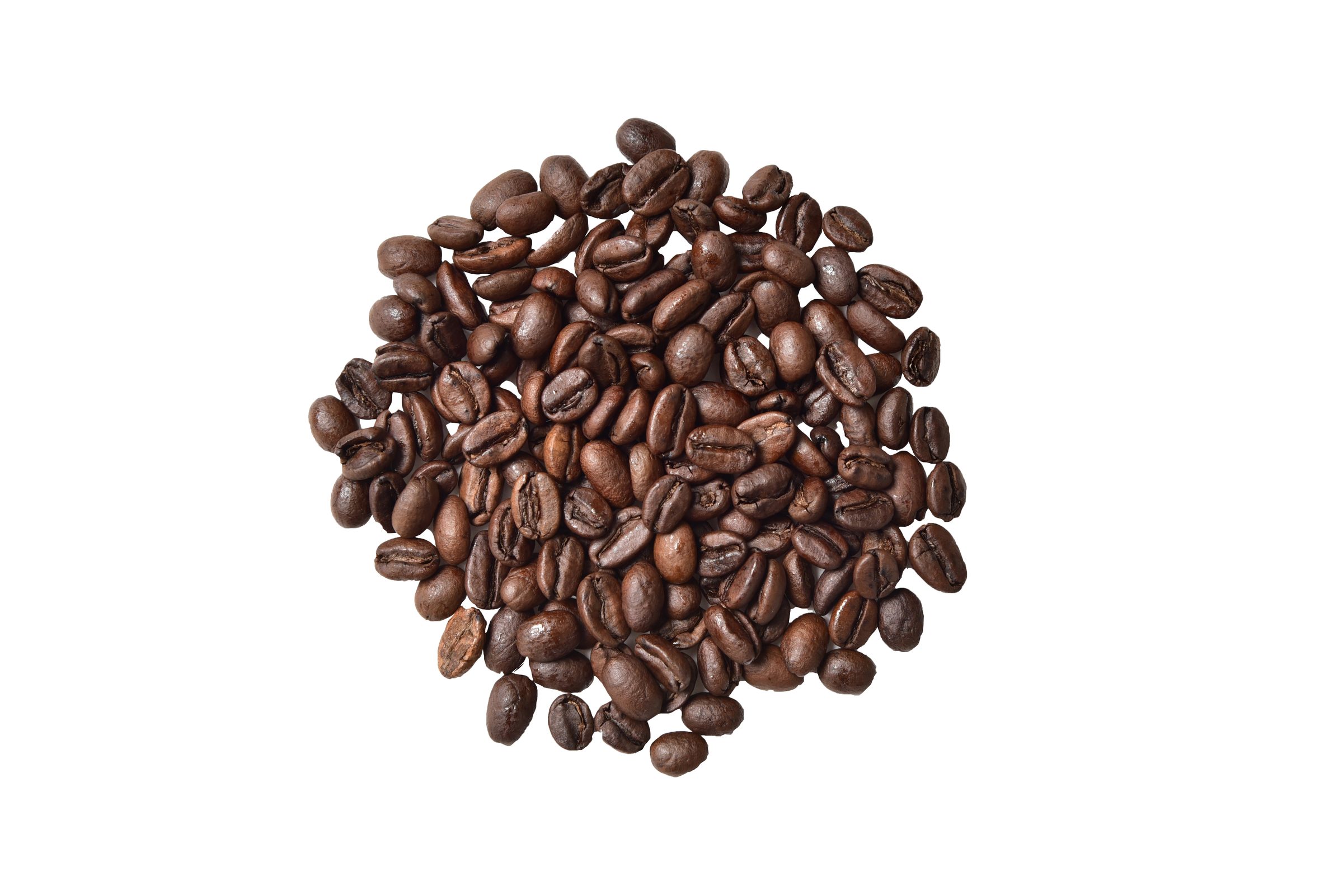
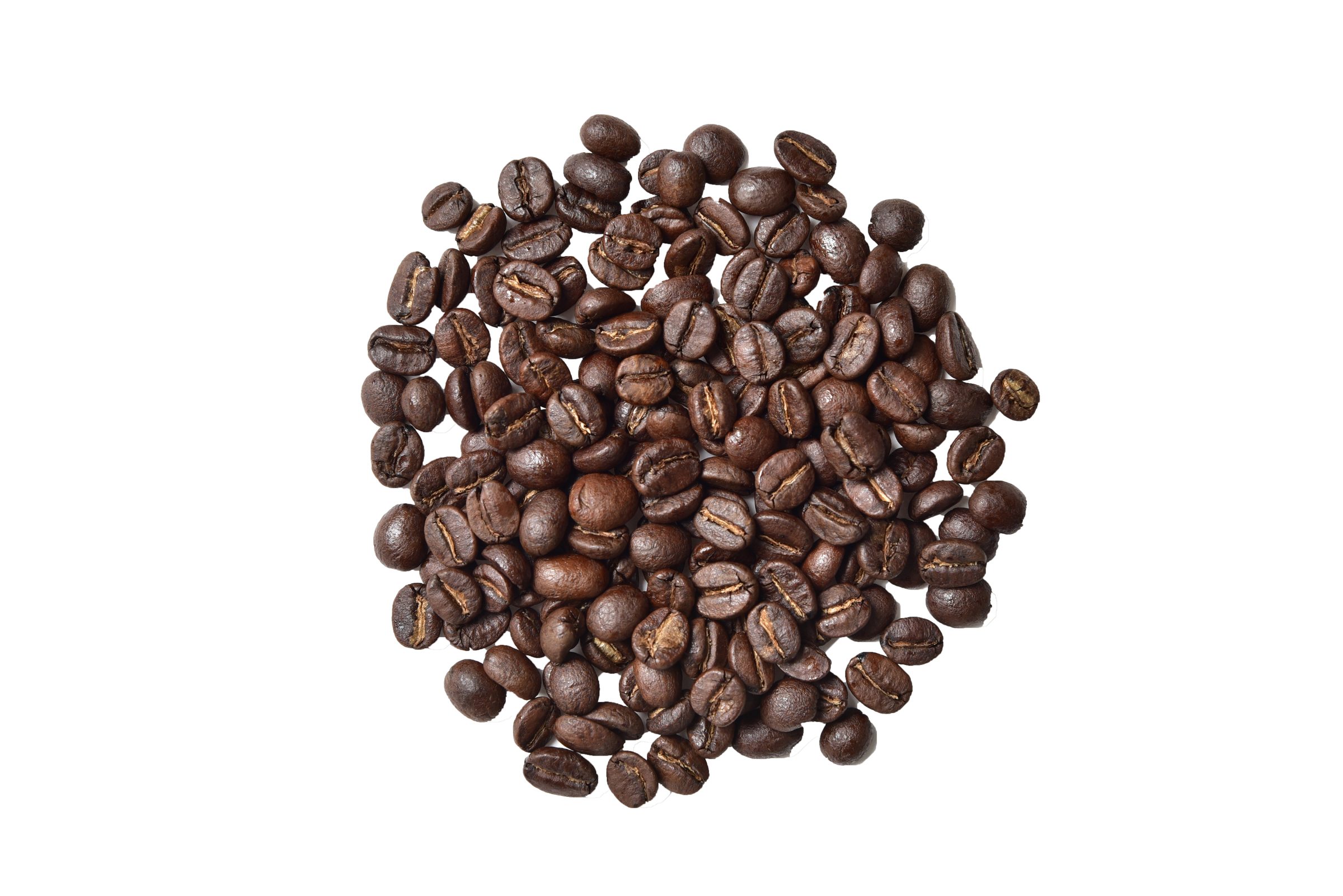
Peaberries are a fluke of nature — one bean where there should be two. But on the slopes of Kilimanjaro, that fluke produces some of the most focused, vibrant coffee in East Africa.
Harvest Season
| Varietal(s) | Bourbon, Kent, N39 |
|---|---|
| Processing | Fully Washed |
| Roast Level | Medium |
| Caffeine | Fully caffeinated |
Roast Notes
Medium roast to let the black tea and citrus notes shine — peaberries are dense little powerhouses that take heat evenly. Push too light and you get peanut shells; push too dark and the brightness flattens. The sweet spot is right past first crack, where the chocolate emerges and the citrus stays sharp
A peaberry is a mistake — a happy, delicious mistake. Normally, a coffee cherry produces two flat-sided beans nestled against each other, each with one flat face and one rounded back. Occasionally — about 5% of the time — only one of the two ovules fertilizes. The result is a single, round, pea-shaped bean that gets all the sugars, all the nutrients, all the attention. There’s no flat side. No compromise. Just one dense little sphere of concentrated coffee potential.
Tanzania Peaberry has been a fixture on specialty coffee menus for decades, and for good reason. Grown on the southern slopes of Mount Kilimanjaro — Africa’s tallest mountain, whose permanent snowcap and massive bulk create its own weather patterns — Tanzanian coffee shares genetic and geographic DNA with neighboring Kenya. Same Bourbon lineage. Same volcanic soil. Same equatorial highland climate. But where Kenyan coffee tends toward the sharp and the intense — black currant acidity that can feel like a punch — Tanzanian coffee, particularly the peaberry grade, takes a softer path. The acidity is bright but not aggressive. The body is rounder. The cup feels complete rather than confrontational.
“A peaberry is a mistake — a happy, delicious mistake. One dense little sphere of concentrated coffee potential.”
The coffee in this lot comes from smallholder farms in the Moshi district, on Kilimanjaro’s southern flank. Altitudes range from 1,200 to 1,800 meters — high enough for slow cherry maturation and concentrated sugars, low enough (relative to Kenya’s 2,000-meter-plus growing zones) to produce a mellower, more balanced cup. Farmers deliver ripe cherry to local washing stations during the long harvest season that stretches from May through January. The coffee is pulped, fermented overnight, washed in clean mountain water, and dried on raised beds. Peaberries are separated out during grading — their round shape and higher density make them easy to identify, and the best lots are hand-sorted a second time to remove any remaining flat beans or defects.
In the cup, Tanzania Peaberry opens with black tea — not the generic “tea-like” descriptor that gets thrown at washed African coffees, but the specific, floral-malty character of a good Darjeeling. Meyer lemon follows immediately — brighter and sweeter than regular lemon, with less bite and more perfume. Dark chocolate arrives mid-palate, grounding the brightness and adding depth. The body is medium, the finish clean and lingering. As the cup cools, black currant and a hint of tamarind emerge — subtle, never sharp, the kind of complexity that rewards drinking slowly.
Roast to medium. Peaberries are physically denser than flat beans — that’s the concentration effect — and they take heat evenly because of their uniform shape. The roasting window is reasonably forgiving, but you want to hit the zone right past first crack where the chocolate develops without burying the citrus. Light roast yields tea and lemon but no chocolate; dark roast flattens the brightness into generic caramel. Medium is the sweet spot, and it’s where this coffee was designed to live.
Brew on pour-over for maximum clarity — a Chemex brings out the tea character beautifully, a V60 sharpens the citrus. Auto-drip works surprisingly well; the coffee holds its structure in a batch brewer. Aeropress with a paper filter and a two-minute steep produces a cup that’s almost tea-like in its delicacy. Avoid French press — the heavy body and sediment muddy the bright, clean character that makes this coffee special.
We’ve been roasting in Lakewood, Colorado since 1979. We carry Tanzania Peaberry because it’s the East African coffee for people who find Kenya too sharp and Ethiopia too wild — a balanced, elegant cup that proves “mellow” and “complex” belong in the same sentence.