Harvest Season
| Varietal(s) | Local bourbon cultivars |
|---|---|
| Processing | Fully washed |
| Roast Level | Light Medium |
| Caffeine | Fully caffeinated |
Roast Notes
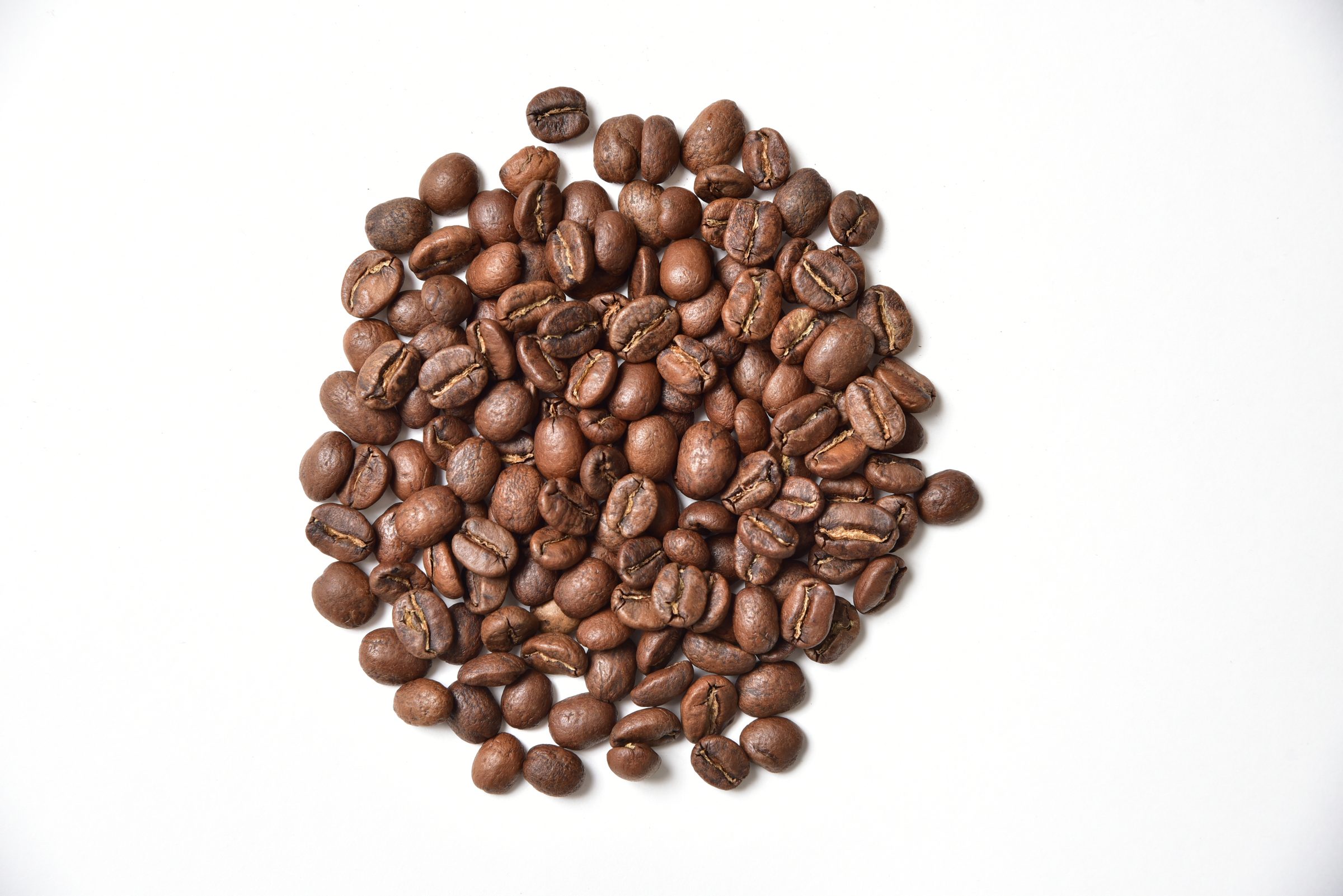
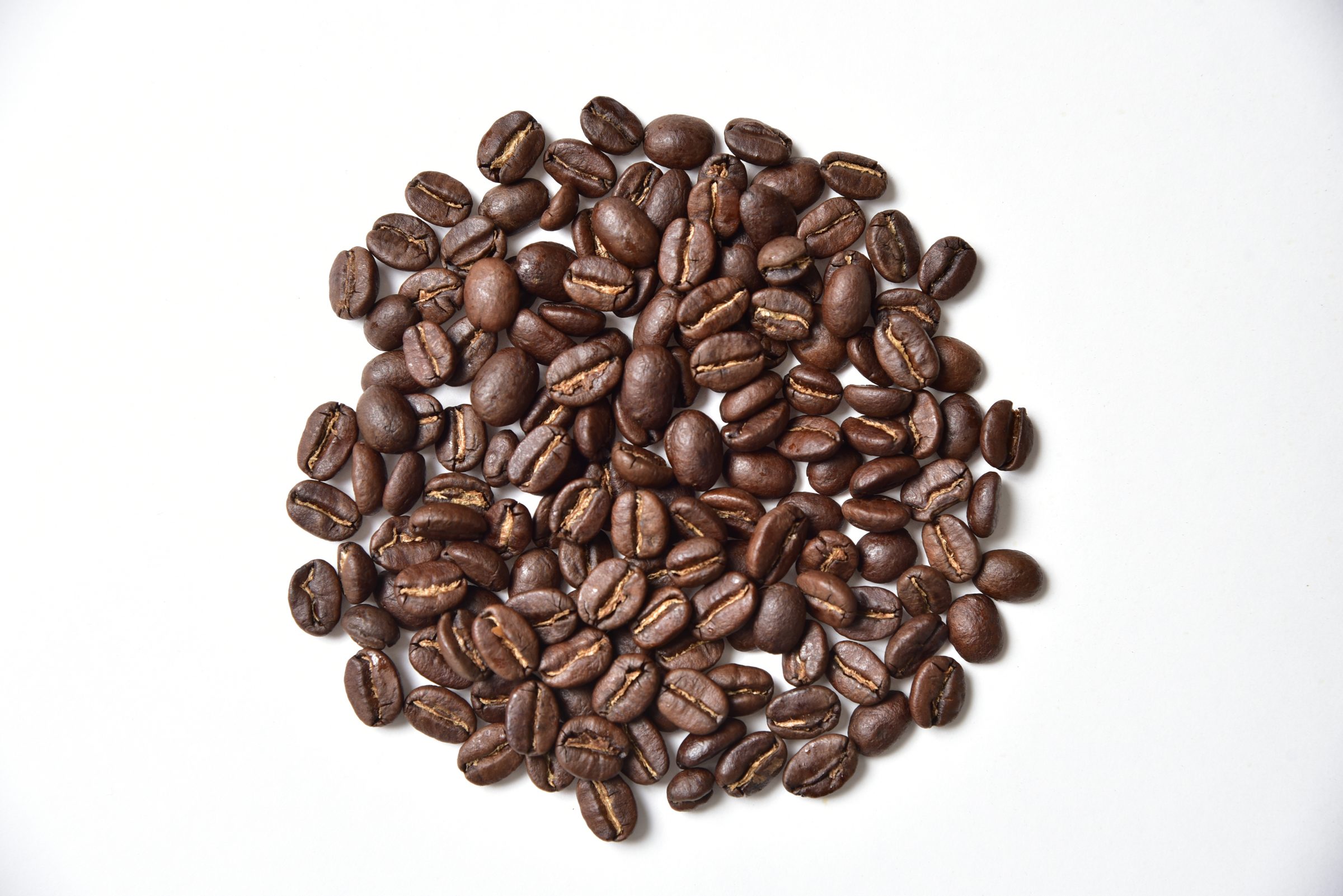
Light-medium — about thirty seconds past the end of first crack. Burundian Bourbon beans are dense from the altitude and the sugars caramelize quickly. The window is narrow: push darker and the honeysuckle and black tea collapse into generic roast. Undershoot and you get grassy astringency. Hit it right and the cup tastes like it cost twice as much.
Burundi is the country you forget is there. Ethiopia gets the attention, Kenya gets the reputation, and Burundi gets skipped over in most conversations about East African coffee.
That is a shame, because the washed coffees coming out of the north of the country are worth the detour. This one is from a single processing station in Butanyerera, in Ngozi Province, close to the border with Rwanda — a large, newly formed mountainous highland region. The province borders Rwanda to the north and Ngozi to the east, and the commune of Kayanza is deeply associated with Burundi’s specialty coffee history.
The station is Nyamahiti, on Mbasi hill, owned and managed by Ndayishimiye Samuel. It processes cherry from 394 farmers on that hill. The name means “the place where bitter gourds grow,” a name the area carried before it was ever developed for agriculture, when bitter wild gourds covered the hillsides. There is something in that, for a coffee called Tangara.
Processing here is fully washed, and it is done the same way every day. Cherry comes in from the surrounding farms, gets sorted for imperfections, is mixed and depulped, then ferments overnight in large tanks. In the morning it is cleaned with fresh groundwater and moved to raised screen tables to dry in the sun. Repetition at that scale is what produces a clean cup. No two days should taste like a different coffee.
“Royal’s cup for this lot is dried apricot, tomato, hops, and chocolate. It is herbal, and the plum-like acidity sits underneath it.”
The cup is not what most people expect from Burundi, and it is worth describing honestly. Royal’s cupping notes are dried apricot, tomato, hops, and chocolate. The tomato and the hops are the unusual part — this is a savory, herbal coffee, and it will surprise anyone expecting the bright citrus and stone fruit that East African washed lots usually deliver. There is a plum-like acidity underneath, and bittersweet cocoa through the middle and finish. Altitude does the rest: this coffee grows at about 1,570 meters, which is slow cherry maturation and concentrated sugars.
We roast it light-medium. Local bourbon cultivars at altitude are dense beans with sugars that caramelize quickly, so the window is narrow. Push past it and the herbal character collapses into generic dark roast. Stop short of it and you get grassy astringency. The notes we are protecting — the tomato, the hops, the apricot — are volatile, and they are the reason this lot is worth buying.
Brew it on pour-over where that clarity holds. A V60 at 200°F, 1:16, lets the apricot and the plum acid separate. The Chemex rounds the herbal edge out. Skip the French press; it will bury exactly the cup notes that make this coffee interesting.
We’ve been roasting coffee in Lakewood, Colorado under our neighborhood brand, Village Roaster, since 1979.
Buying green? The 2, 5 and 10 lb options are raw, unroasted coffee beans. They arrive as green coffee and cannot be brewed as they are. Roast them first, then brew.
We Roast It This Way
We roast it this way: to a Medium Light roast. This is a specialty-grade green coffee. We recommend targeting 400–420°F charge temperature and aiming for City+ to Full City for a balanced cup that honours the origin character. First crack typically appears around 385–395°F (varies by roaster type and drum speed). Development time: 1:00–1:45 after first crack.
Light-medium — about thirty seconds past the end of first crack. Burundian Bourbon beans are dense from the altitude and the sugars caramelize quickly. The window is narrow: push darker and the honeysuckle and black tea collapse into generic roast. Undershoot and you get grassy astringency. Hit it right and the cup tastes like it cost twice as much.