Harvest Season
| Varietal(s) | Catuai, Caturra |
|---|---|
| Processing | Eco-pulped and dried in the sun and mechanical driers |
| Roast Level | Light Medium |
| Caffeine | Fully caffeinated |
Roast Notes
Light-medium to preserve the bright citrus — peaberries roast evenly thanks to their round structure, but the window between orange and generic roast character is maybe fifteen seconds wide
CoopeDota was established in 1960, and it is still run by the farmers who built it. When a cooperative has been doing the same work for sixty-five years, the interesting question is not whether it exists but whether it kept up.
It did. CoopeDota has a certified carbon-neutral mill, the first of its kind, which uses hydro-powered energy, water-efficient eco-pulpers — also called demucilagers — and mechanical coffee dryers fueled by the coffee parchment stripped off the beans. The mill runs on recycled water throughout, and the cooperative manages trash pickup for the town of Santa María de Dota. It also runs an agriculture supply store, a tourism department, three cafes, and a barista training center. None of that is coffee in the cup, but it is a reasonable proxy for whether a producer group is organized.
This coffee comes from roughly 900 members living throughout the canton of Dota, in the province of San José. Those are family farms, and the members spend the year on farm management, then bring their cherry to the mill during harvest. Centralizing the mill is the point: traceability and quality control happen in one place rather than in a hundred.
Processing is eco-pulped and dried in the sun and mechanical dryers. Cherries are floated first, so damaged and less dense beans float off and never enter the lot. Then depulped, washed, and mechanically dried. After drying the coffee rests in silos for at least a month before milling, and at milling it is dehulled and sorted by weight and color. The varieties are Catuai and Caturra, grown between 1,550 and 1,950 meters.
“CoopeDota was established in 1960, and it is still run by the farmers who built it.”
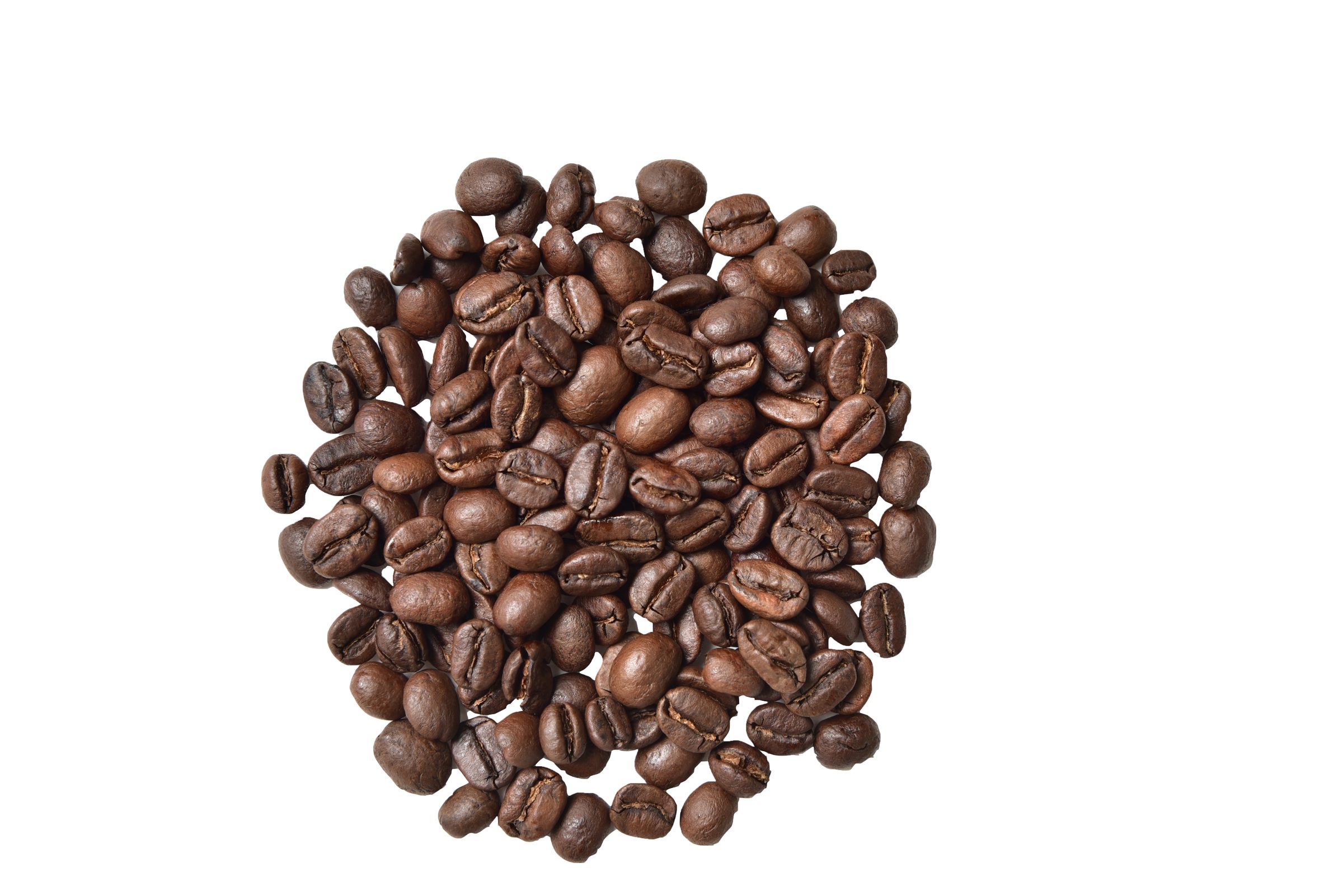
The variety here is a peaberry. A cherry normally produces two beans, flat-sided where they press against each other. Occasionally only one seed develops, and what you get is a round bean — denser, more uniform, and more concentrated, because one seed got everything the cherry had. Peaberries are a small fraction of any harvest and get sorted out during grading, which is why they cost more and why a bag of them is worth checking against a bag of flat beans from the same farm.
On flavor: the Royal brief for this lot does not include a cupping score or tasting notes, so we are not going to invent any here. What the cooperative and the process will tell you is that this is a well-executed, fully traceable, high-altitude Catuai and Caturra lot with a long rest before milling — which is a coffee that should taste clean and sweet. When the cupping data for this lot is in hand, we will update this section with what it actually tastes like.
We roast it light-medium. High-altitude Costa Rican coffee has the density to take the heat, and a peaberry’s round shape means it roasts more evenly than a flat bean — no scorched edges, no flat spots. Pull it just as the sugars caramelize after first crack. The window is narrow, maybe fifteen seconds wide, and past it the sweetness flattens.
Brew it on pour-over. A V60 for clarity, a Chemex for a rounder cup. This is not a French press coffee, and it is not a coffee for espresso — it wants clean water and an even extraction. 1:16 at 200°F.
We’ve been roasting coffee in Lakewood, Colorado under our neighborhood brand, Village Roaster, since 1979.
Buying green? The 2, 5 and 10 lb options are raw, unroasted coffee beans. They arrive as green coffee and cannot be brewed as they are. Roast them first, then brew.
We Roast It This Way
We roast it this way: to a Medium Light roast. This is a specialty-grade green coffee. We recommend targeting 400–420°F charge temperature and aiming for City+ to Full City for a balanced cup that honours the origin character. First crack typically appears around 385–395°F (varies by roaster type and drum speed). Development time: 1:00–1:45 after first crack.
Light-medium to preserve the bright citrus — peaberries roast evenly thanks to their round structure, but the window between orange and generic roast character is maybe fifteen seconds wide


