Harvest Season
| Varietal(s) | Indigenous heirloom cultivars |
|---|---|
| Processing | Full natural, sun-dried on raised beds, Royal Select Swiss Water decaffeination |
This is a natural Ethiopian, not a washed one, and that single word accounts for most of what you taste.
A washed Ethiopian and a natural Ethiopian are different coffees, not the same coffee described two ways. Washed processing strips the fruit off the seed before drying, which leaves clarity — citrus, jasmine, tea-like brightness. Natural processing dries the cherry whole on raised beds, so the fruit dries around the seed and its sugars go into the bean. The result is dried fruit, carob, and something herbal and savory behind it. That is the coffee Royal bought for this decaf.
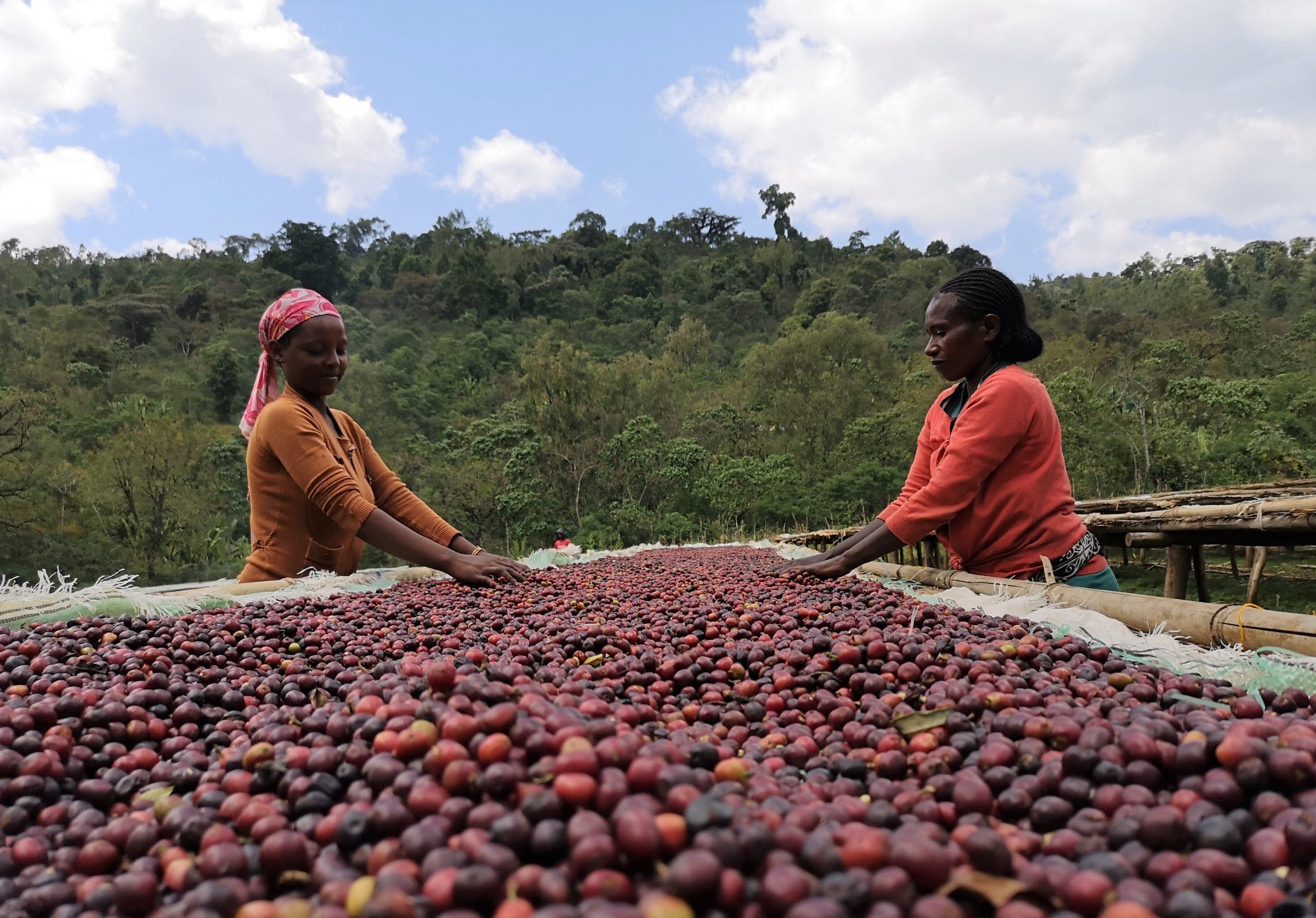
The coffee comes from producers in Guji Zone, in the Oromia Region of southern Ethiopia, growing indigenous heirloom cultivars between 1,850 and 2,000 meters. Those are old varieties, not named cultivars planted to a formula, and they are the reason Guji tastes like Guji. Cherry is dried whole on raised beds, turned as it dries.
Royal selects the lots that go into this decaf based on cup profile and physical preparation, and specifically on how they express once decaffeinated. The Swiss Water process then runs: green coffee is hydrated to expand the beans, then introduced to Green Coffee Extract, water carrying concentrated coffee solubles. Caffeine leaves through osmosis while the flavor compounds stay behind. The green is re-dried and re-bagged, and the extract is filtered through carbon and recycled.
Ethiopian coffee from Guji is typically aromatic and bright, with stone fruit and florals when washed and dried fruit when natural. Altitude gives it the density to carry that aroma.
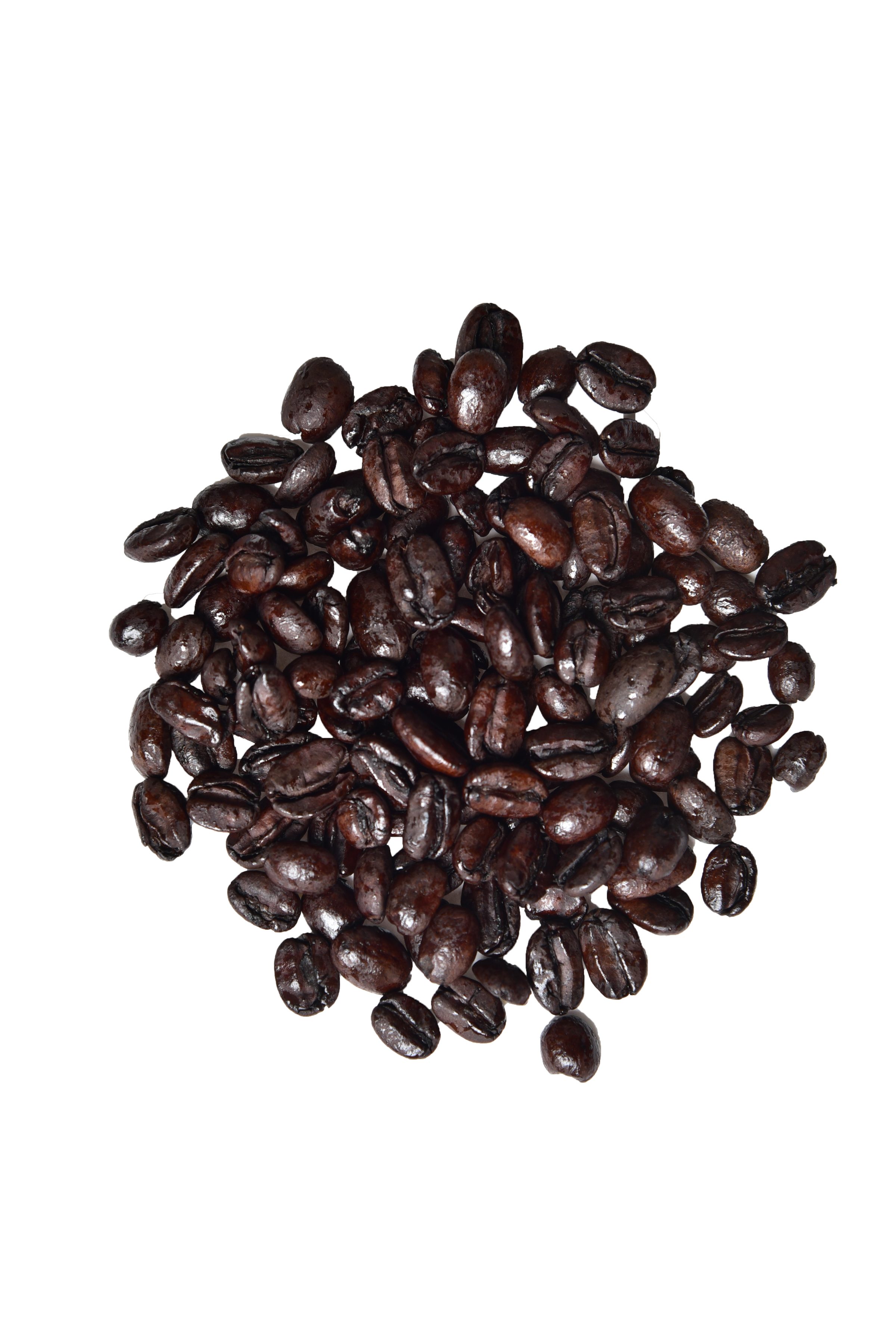
When we roast this, we taste dried fruit, carob, and a herbaceous note. Dried fruit comes first — closer to dried apricot or a raisin than to fruit you would eat out of hand. Carob sits underneath, dark and slightly bitter. The herbal note runs through the middle and into the finish.
We Roast It This Way
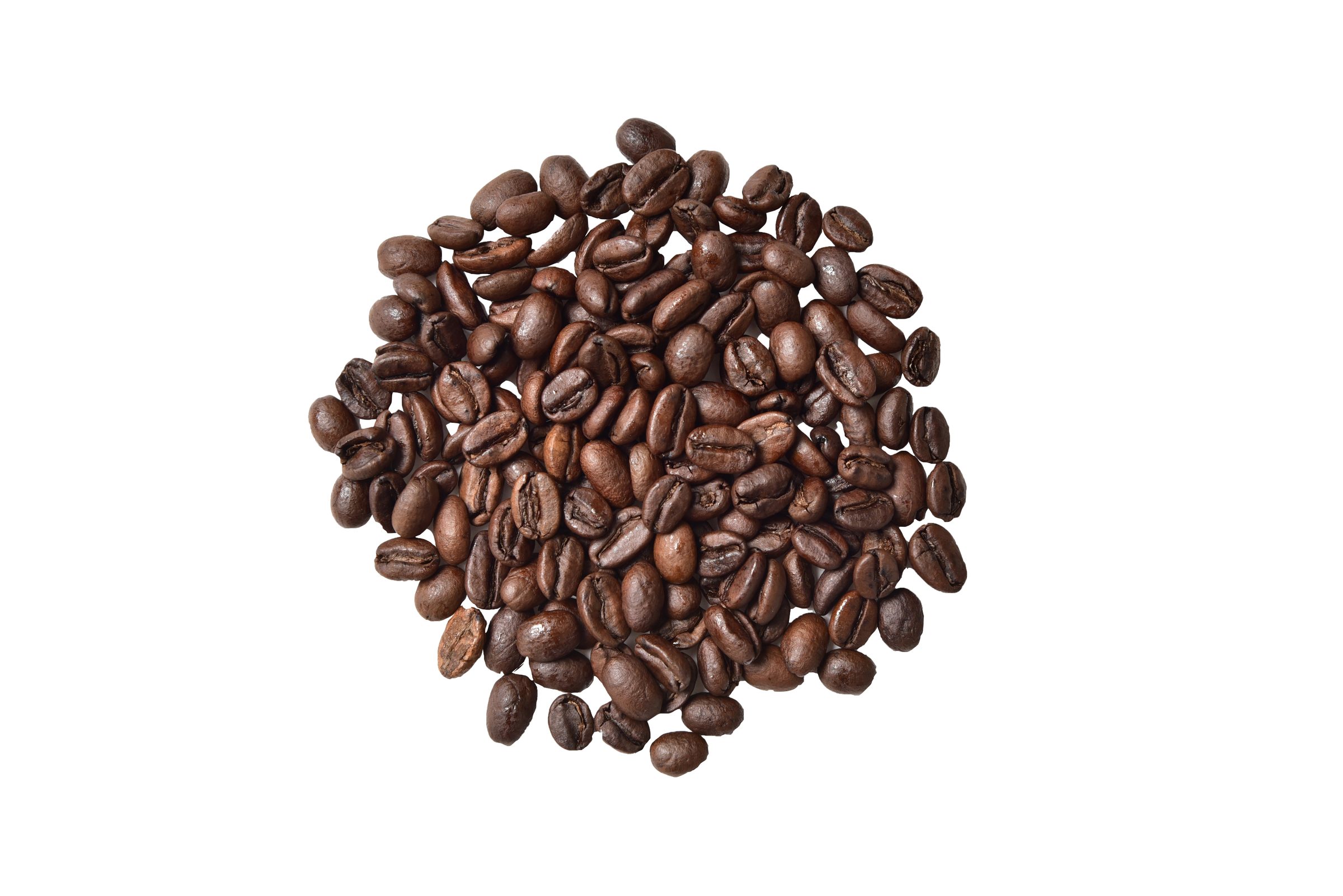
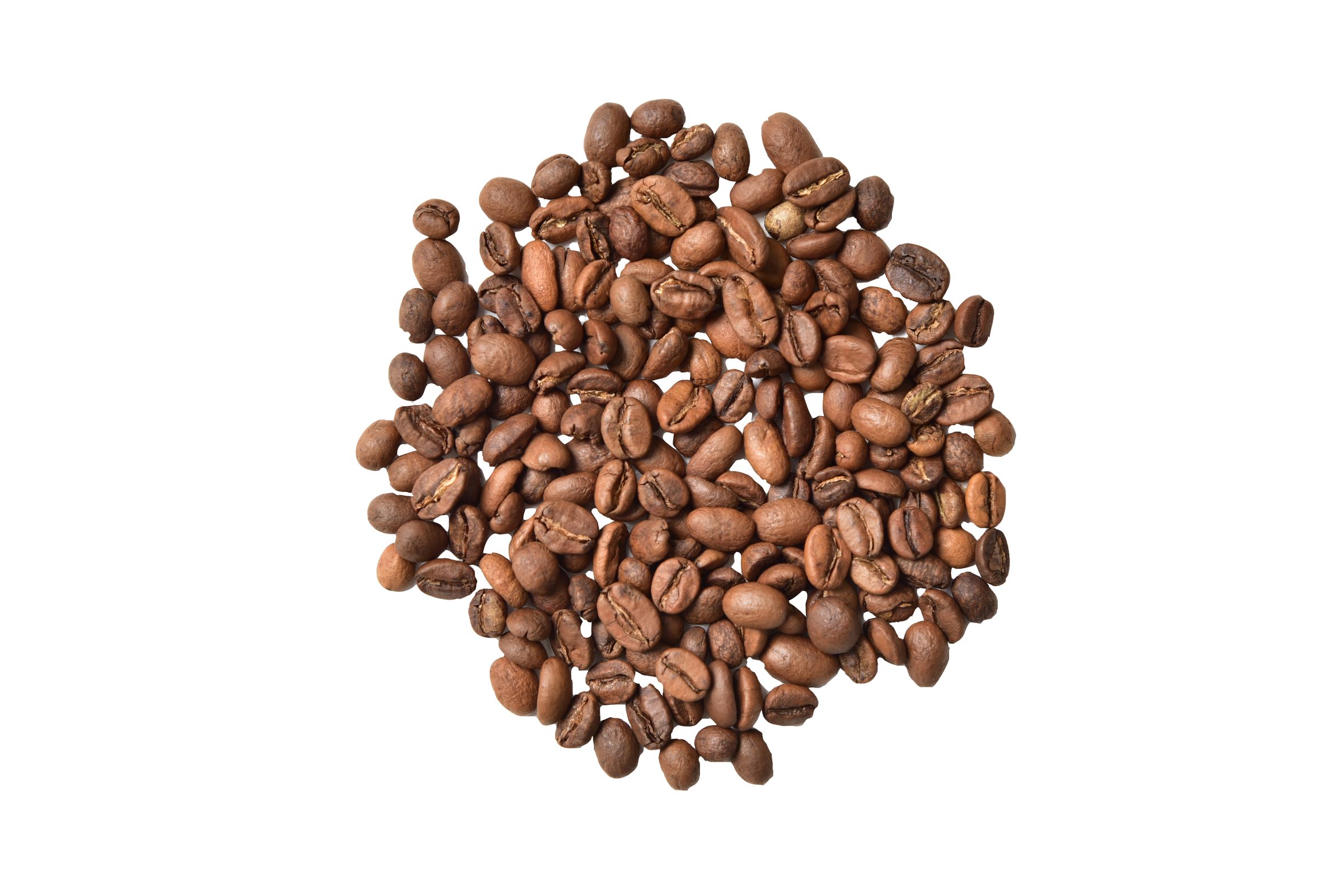
We roast it this way: to a Medium roast. This is a specialty-grade green coffee. We recommend targeting 400–420°F charge temperature and aiming for City+ to Full City for a balanced cup that honours the origin character. First crack typically appears around 385–395°F (varies by roaster type and drum speed). Development time: 1:00–1:45 after first crack.
Medium roast — Ethiopian naturals are volatile and decaf beans take heat faster, so we ease early and drop sooner, keeping the dried fruit from collapsing into generic roast.