Harvest Season
| Varietal(s) | High-altitude coffee varieties |
|---|---|
| Processing | Natural, ethyl acetate (EA) decaffeination |
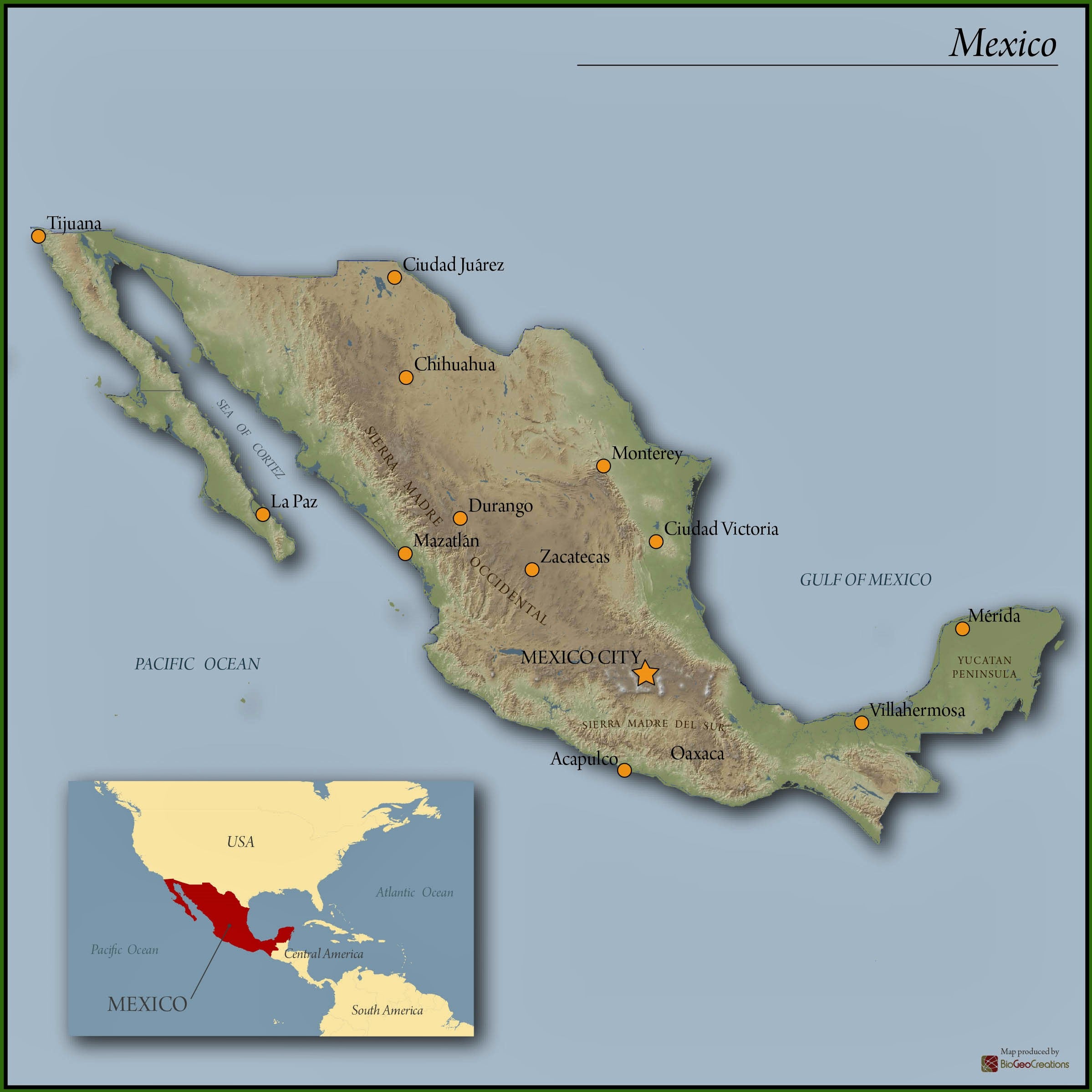
This is decaffeinated with ethyl acetate, not with mountain water, and not chemical-free. The coffee is from Esmeralda, in Mexico, from smallholder farmers growing a mix of high-altitude coffee varieties, processed natural, between 1,200 and 1,800 meters. Royal decaffeinates it with ethyl acetate. EA is a naturally occurring organic compound found in many fruits and vegetables, and it can also be synthesized for coffee decaffeination. The green beans are steamed or soaked to expand them, then soaked in EA, caffeine bonds with the compound and is drawn out, and the coffee comes out of the solvent, gets rinsed thoroughly, re-dried, and re-bagged for transport. That is the process, and it is a solvent process.
Buyers who care about decaffeination care about which method was used, because the methods trade against each other. A water process avoids solvent but can strip more aroma. EA takes a different route and tends to leave aromatic coffees more intact.
The coffee itself is natural process, which sets it apart from most decaf on the shelf. Washed decafs are built on chocolate and caramel because washing strips the fruit off the bean. A natural keeps the fruit dried around the seed, so the sugars go into the bean and the cup carries more of the fruit character.
Mexican coffee from Esmeralda is typically mild and rounded, with cocoa and a soft brightness rather than aggressive acidity. Natural processing gives it a little more fruit than the washed lots from the same region.
When we roast this, we taste cocoa powder and a clean, bright note. Cocoa powder first — not a chocolate bar, not a drink, the dry, unsweetened kind that sits at the back of the tongue. Under it, the brightness keeps the cup from going flat. The body is lighter than our darker decafs.
We Roast It This Way
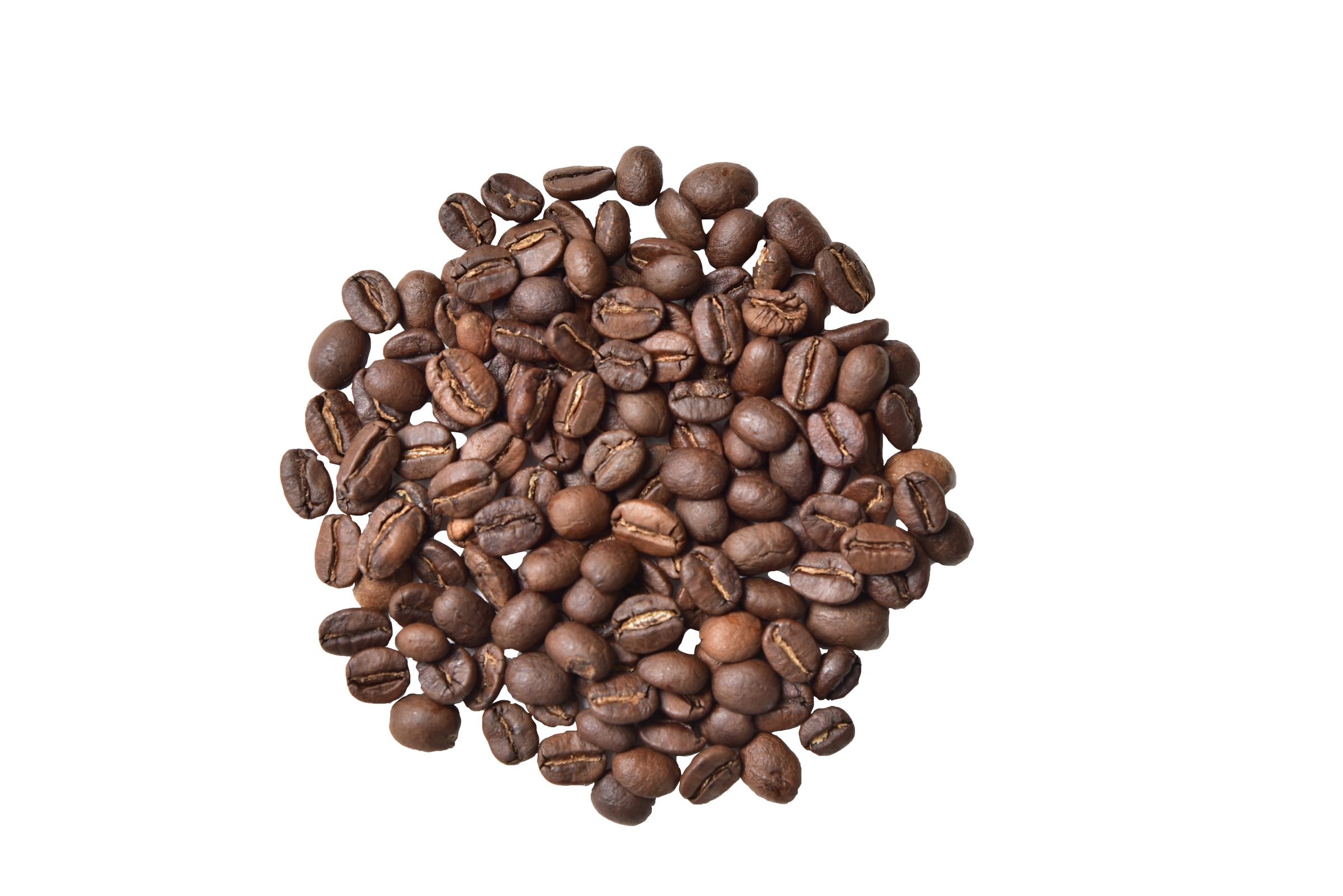
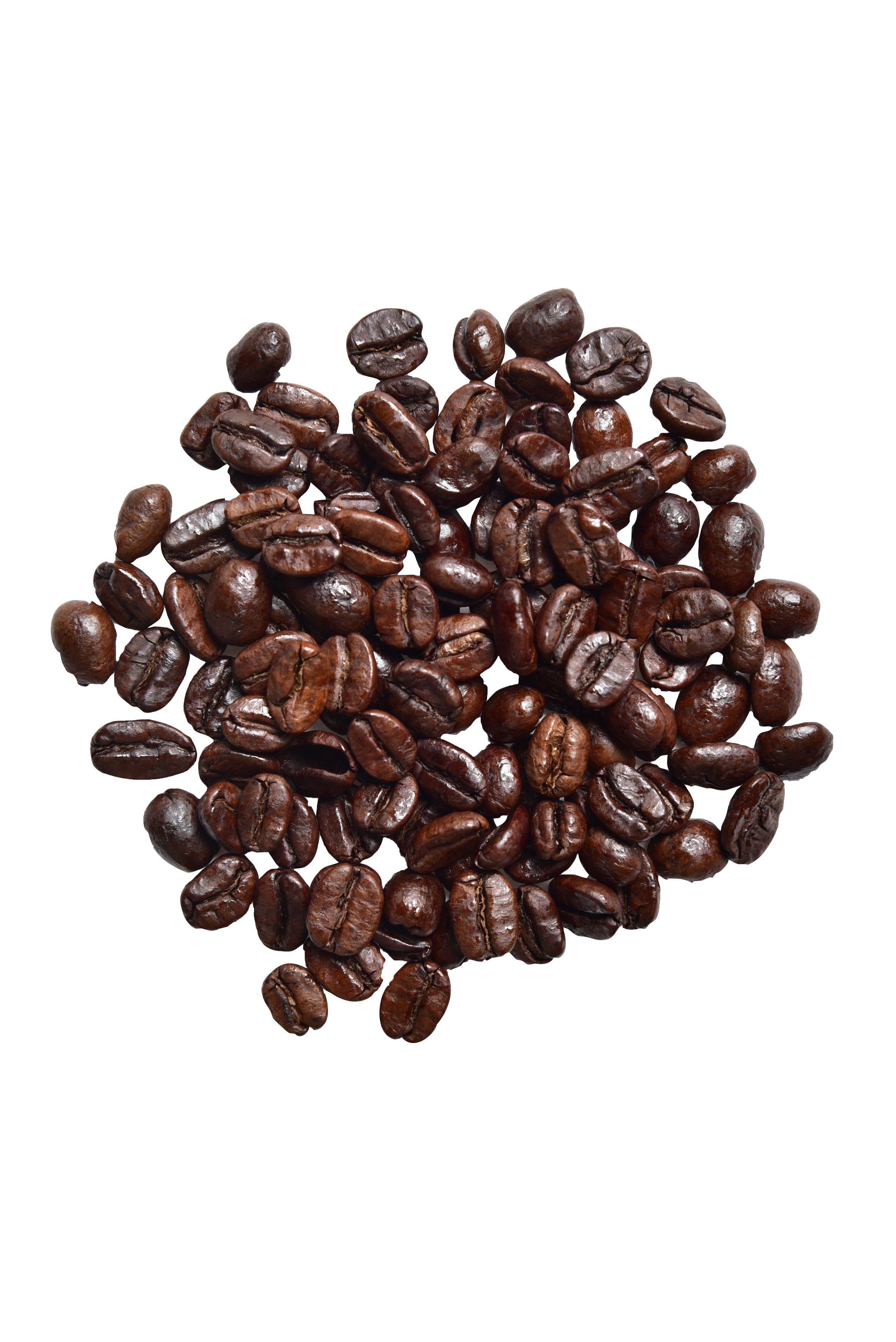
We roast it this way: to a Medium roast. This is a specialty-grade green coffee. We recommend targeting 400–420°F charge temperature and aiming for City+ to Full City for a balanced cup that honours the origin character. First crack typically appears around 385–395°F (varies by roaster type and drum speed). Development time: 1:00–1:45 after first crack.
Medium roast — decaf beans are more porous and take heat faster, so we ease into first crack and drop earlier, keeping the cocoa from turning into generic roast.