Harvest Season
| Varietal(s) | Caturra, Catimor, Typica Linie S |
|---|---|
| Processing | Wet hulled, sun-dried, Royal Select Water decaffeination |
Decaffeinating a Mandheling is a harder problem than decaffeinating most coffee, because the things that make a Mandheling taste like a Mandheling are structural. Heavy body, low acidity, and an earthy depth that sits in the bean rather than on the surface of it. Strip those and you have hot water with a memory of coffee in it.
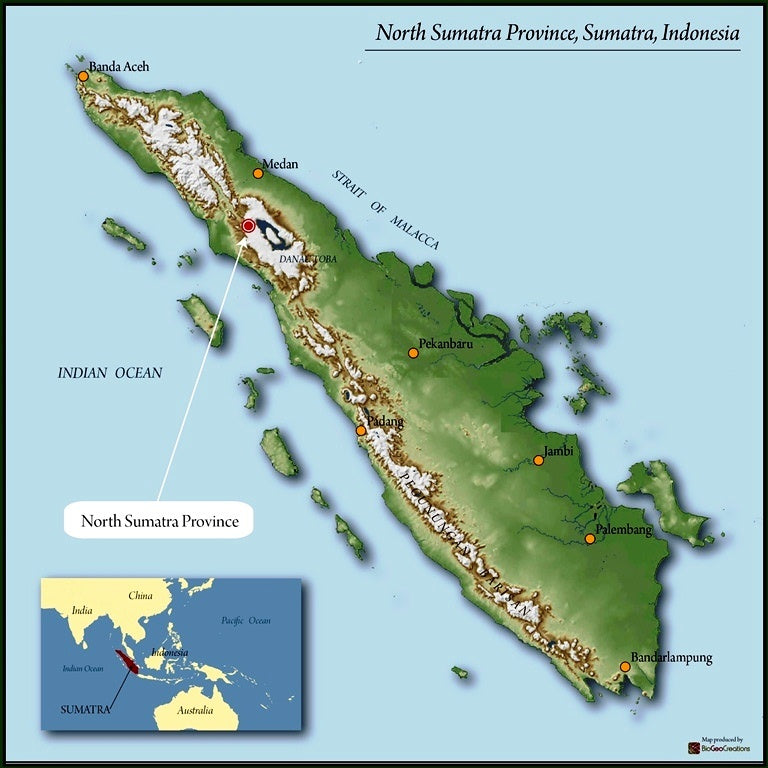
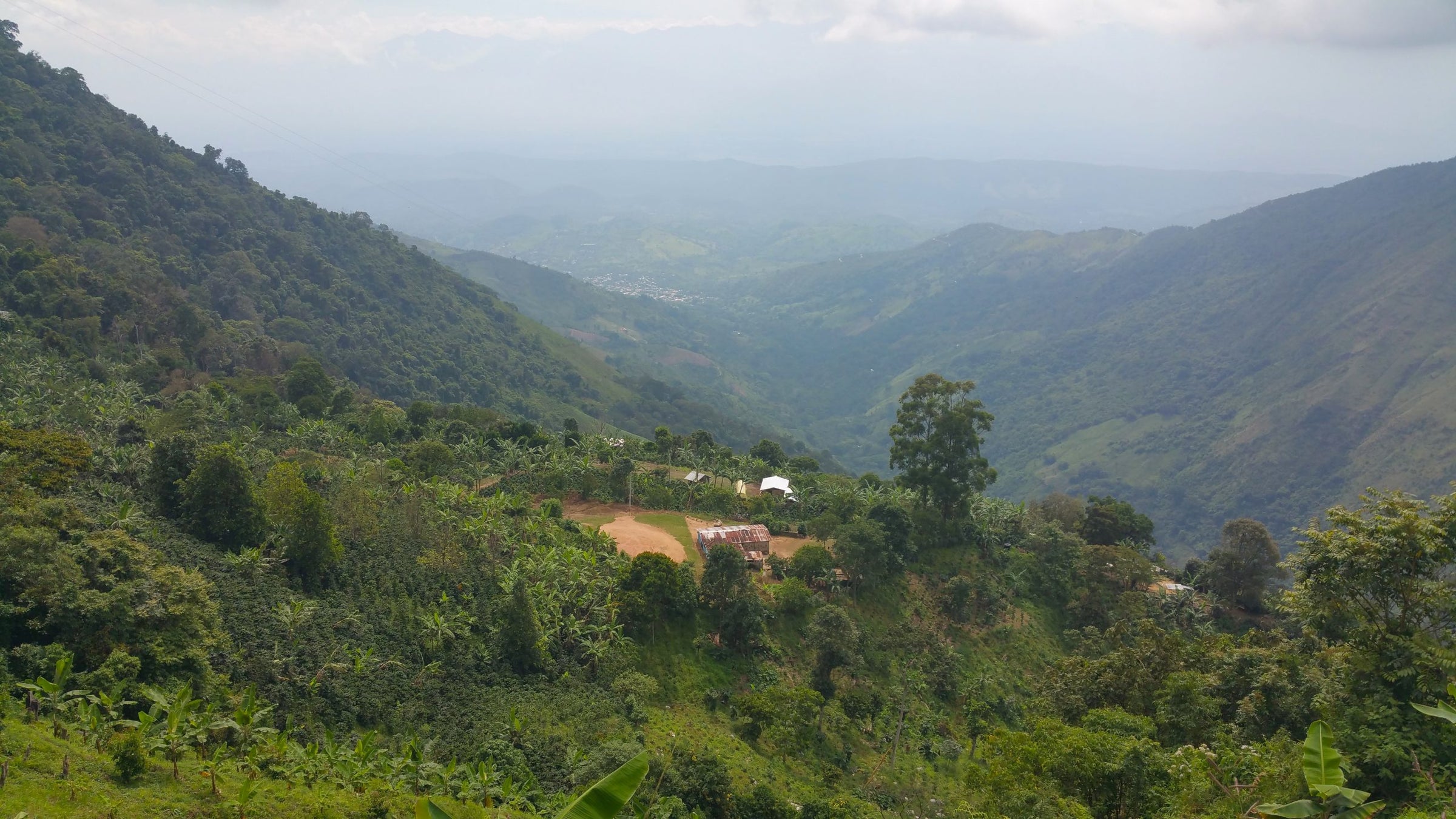
This lot is from North Sumatra, grown at 1,300 to 1,700 meters, and it is processed the Sumatran way. Wet hulled, then dried in the sun. Wet hulling is the process where the parchment comes off the bean while the bean is still wet rather than after it is dry, which is backwards from how coffee is processed almost everywhere else. It produces the density and the savory weight that Sumatra is known for.
Royal curates the lots that go into this decaf based on cup profile and physical preparation, and specifically on how well they express after decaffeination. The water process then runs. The green coffee is pre-soaked in water, which expands the beans, and then it goes into a solution of concentrated coffee solubles. Caffeine migrates out through osmosis while the flavor stays. The green is re-dried and re-bagged, and the extract is filtered of its caffeine and reused. No solvent touches this coffee.
Compared with the caffeinated Mandheling, expect a lighter body and less of the forest-floor earth. That is normal: decaffeination takes the edges off a heavy coffee faster than it takes the body, so the profile shifts toward whatever was bright and citrusy underneath the weight.
Sumatran coffee from North Sumatra is typically heavy, earthy, and low in acidity, and the water process leaves more of that structure in place than a harsher method would.
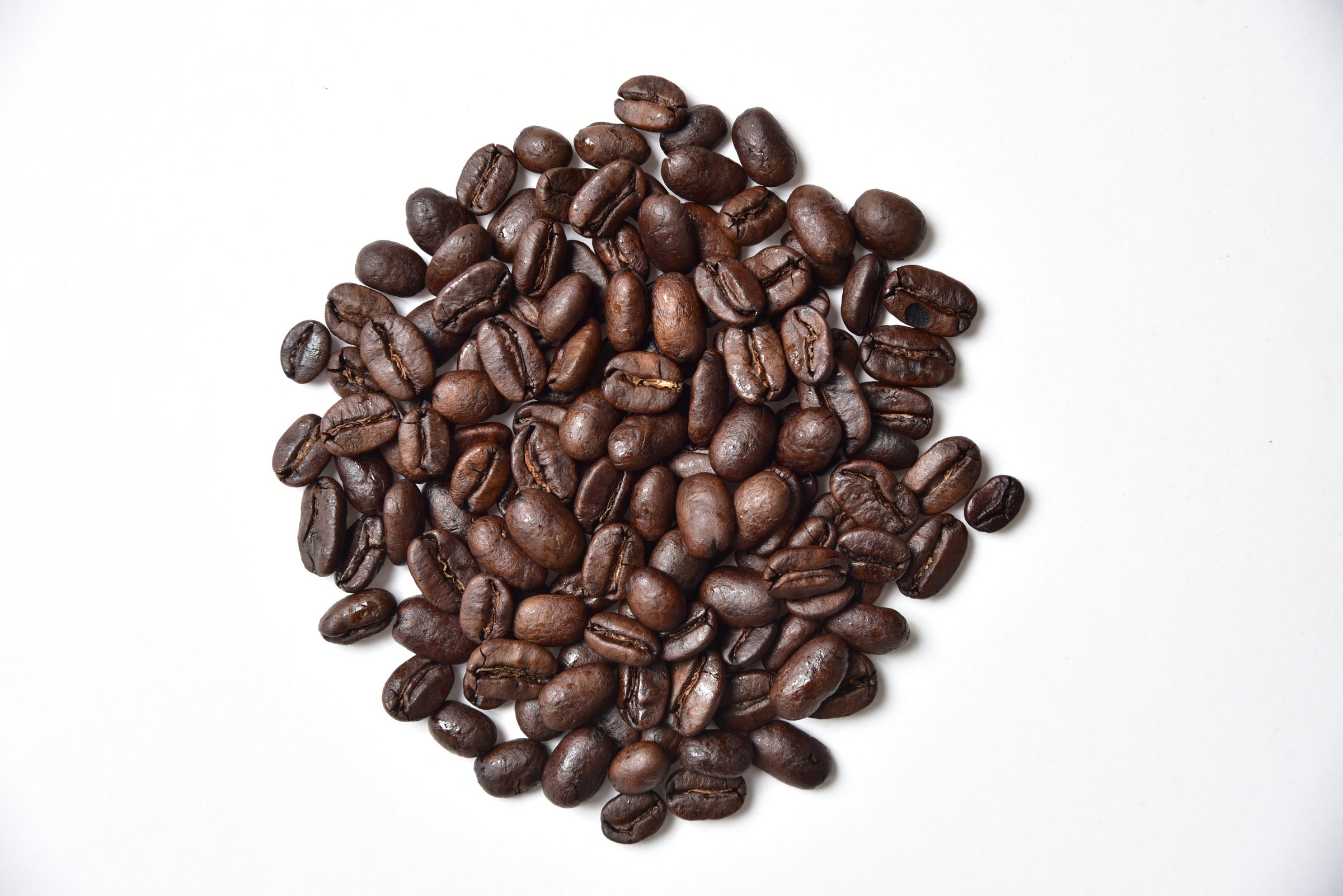
When we roast this, we taste grapefruit, coriander seed, graham cracker, and dark chocolate. Grapefruit leads — a real, slightly bitter citrus. Coriander seed follows, dusty and slightly sweet. Graham cracker sweetness sits in the middle, and dark chocolate comes in underneath to hold it down. The finish is clean.
We Roast It This Way
We roast it this way: to a Dark roast. This is a specialty-grade green coffee. We recommend targeting 400–420°F charge temperature and aiming for City+ to Full City for a balanced cup that honours the origin character. First crack typically appears around 385–395°F (varies by roaster type and drum speed). Development time: 1:00–1:45 after first crack.
Full dark roast — decaf beans roast faster and darker; we back off just enough to keep the chocolate deep and the body velvety without tipping into carbon