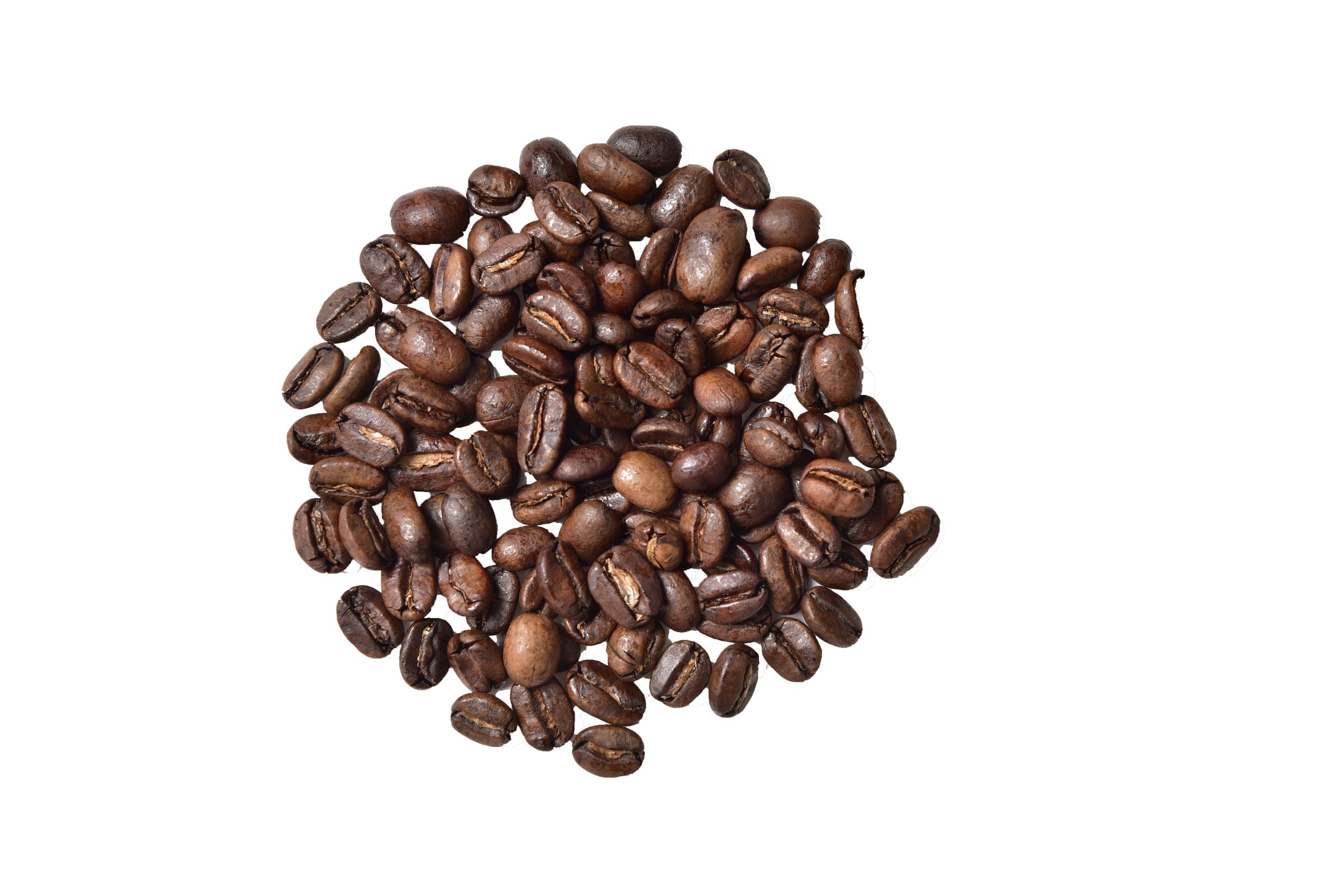
Sulawesi’s best-known Arabica grows in the Toraja highlands, often around 1,400 to 1,900 meters. Volcanic ash and pumice have formed well-drained andic soils across much of the area. Dutch traders introduced coffee in the 18th century, but production and processing infrastructure remained less extensive than on Java.
Most Sulawesi coffee is grown by smallholders and moves through local collectors before export. Processing improvements and specialty buying increased attention to Toraja coffee late in the 20th century. Compared with many Sumatran lots, Sulawesi coffees are often cleaner and more balanced while retaining a full body.
Sulawesi coffee is generally full-bodied and low in acidity, with dark chocolate, spice, and restrained fruit notes. Toraja is the primary Arabica region; Kalosi near Enrekang and Mamasa west of Toraja also produce highland coffee. Cup character varies with elevation, processing, and lot preparation.
The varietals grown here are a mix of old and new. Typica, the original variety brought by the Dutch, is still grown in small quantities, though it is less common than it once was. Linie S-795, an Indian selection of Typica, is more widely planted, as it is more resistant to disease and produces higher yields. Catimor, a hybrid of Caturra and Timor, is grown in the lower elevations, where the climate is warmer and the soil is less fertile. Processing in Sulawesi is a mix of washed and wet-hulled methods. The giling basah, or wet-hulled, method is common, but it is executed with more care than in Sumatra. The beans are pulped and fermented for a shorter time, and the parchment is removed at a higher moisture content, which reduces the risk of mold and off-flavors. Some producers offer fully washed lots for specialty buyers, which are even cleaner and more refined. > “The wet-hulled method is a necessity in Indonesia,” says a processor in Toraja. “The humidity is too high for fully washed processing. But we do it better than in Sumatra. We control the fermentation, we dry the beans more carefully, we sort them more thoroughly. The result is a cleaner cup.”
The producer structure in Sulawesi is less organized than in Ethiopia or Kenya, where cooperatives and washing stations provide a level of quality control and traceability. Here, smallholders sell to local collectors, who sell to exporters, who sell to the world. The chain is long and inefficient, and the quality can vary. But the Toraja people are proud of their coffee, and they take care in its production. > “We are not a cooperative,” says a smallholder in Toraja. “We sell to the collector, and he sells to the exporter. But we know our coffee is good. We take care of it. We sort it, we dry it, we store it. We are proud of what we produce.”
In the cup, Sulawesi is typically heavy-bodied, earthy, and restrained. Cleaner lots balance dark chocolate and spice with mild fruit and low acidity.
The future of Sulawesi coffee is uncertain. The smallholders are aging, and the younger generation is less interested in coffee. The prices are low, and the margins are thin. The infrastructure is still weak, and the quality control is still inconsistent. But the geography remains, and the soil remains, and the coffee remains. And as long as there are people who appreciate the subtlety and balance of Sulawesi coffee, there will be a market for it. > “The coffee will always be here,” says the historian in Makale. “The mountains will always be here. The soil will always be here. The people will always be here. The coffee may change, the methods may change, the markets may change. But the coffee will always be here.”
Sulawesi remains a smaller and less consistent origin than Sumatra or Java, but carefully prepared Toraja lots offer a distinct Indonesian profile: full body, low acidity, earth, chocolate, and spice.