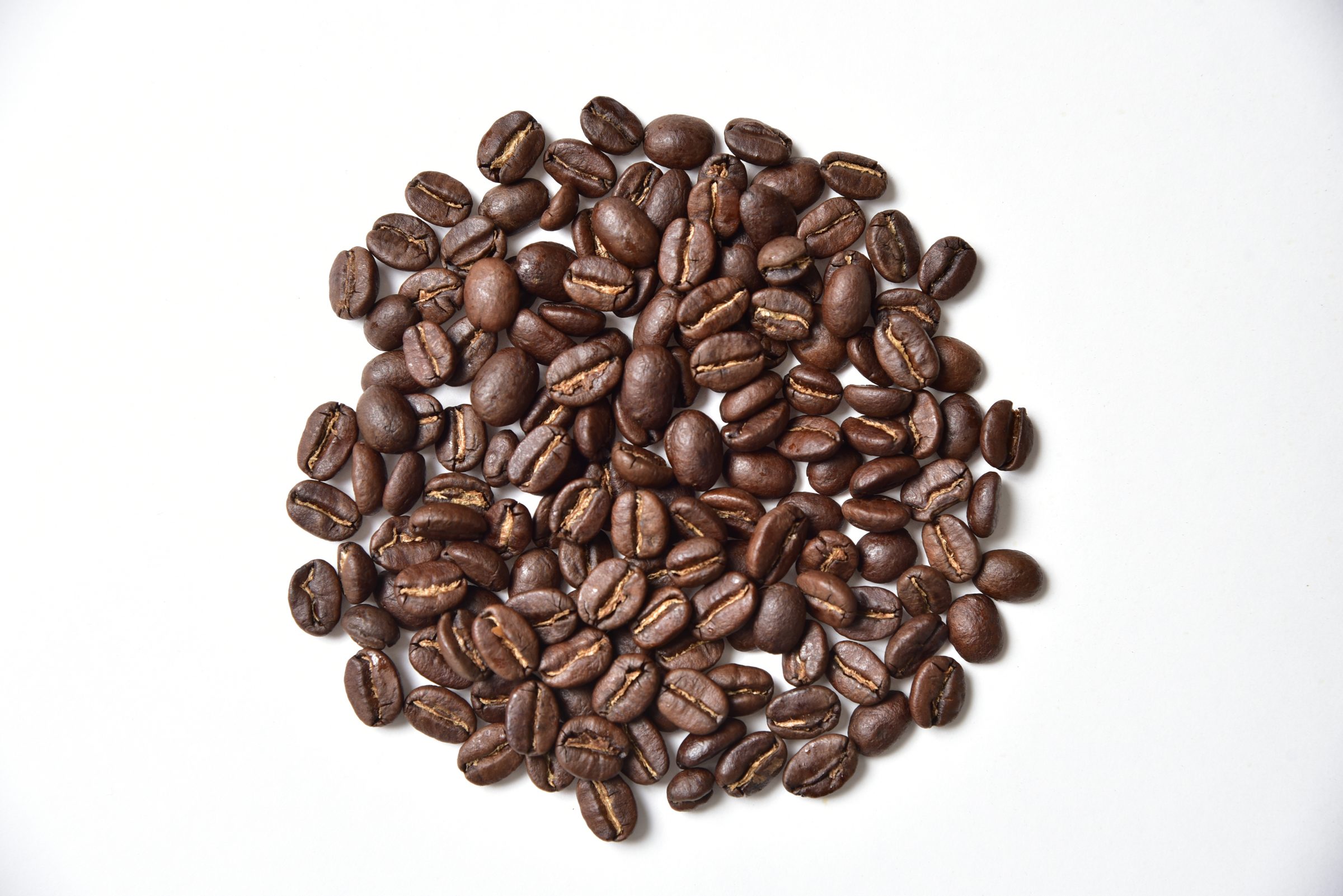
Burundi coffee is one of the best cups in East Africa that almost nobody has tasted. Burundi is small and landlocked — wedged between Rwanda, Tanzania, and the Democratic Republic of Congo, and about the size of Maryland — and its coffee is grown almost entirely by smallholder families on steep hillsides, not on estates. What reaches the cup is a washed, Bourbon-based coffee that is bright, sweet, and clean, with red fruit and citrus over a tea-like body. It tastes like the best of the Great Lakes region, and it is usually sold for less than it deserves.
Why does it taste that way? Three things: altitude, genetics, and processing. The coffee grows high enough — mostly between 1,250 and 2,000 meters — that cherries ripen slowly and concentrate sugar. Nearly all of it is Bourbon (Red Bourbon, with Jackson and Mibirizi alongside), a variety built for sweetness and balance rather than raw intensity. And most of it is fully washed at centralized stations, which strips the fruit away and leaves the clarity that makes a clean East African cup worth chasing. Put those together and you get something that reads like Rwanda with a little more fruit, or Kenya with a little less bite.
Where Burundi Coffee Grows
Burundi is a country of hills, and coffee grows on the ridges and slopes of the north, center, and south. The specialty-grade lots concentrate in the northern provinces — Kayanza and Ngozi above all, with Kirundo and Muyinga farther east, and Muramvya, Mwaro, Gitega, and Bururi to the center and south. Elevations run from about 1,250 meters up to 2,000, and the northern stations sit at the high end of that range, which is one reason their coffee is the country’s most prized.
Burundi’s history explains the shape of the sector. Coffee was introduced under Belgian colonial rule in the 1930s and grown as a compulsory cash crop. After independence the state kept tight control of the trade, and the sector then collapsed during the twelve-year civil war that followed the 1993 assassination of President Melchior Ndadaye. Washing stations were abandoned or destroyed. The recovery came in the 2000s, when the government began privatizing stations and private operators and cooperatives rebuilt them, often looking to neighboring Rwanda’s specialty revival as a model. That is why Burundian coffee is organized around many small farms feeding relatively few washing stations — and why its quality has climbed so quickly since.
How Burundi Coffee Is Processed
Washing stations are the center of gravity in Burundi, much as they are in Rwanda. Smallholders pick selectively by hand and deliver cherry the same day, often on foot or by bicycle, to the nearest station. There the cherry is sorted — unripe, overripe, and damaged fruit floated or hand-picked out — then depulped and fermented, usually overnight, before it is washed in channels and moved onto raised, mesh-bottomed drying beds. Drying takes roughly two to three weeks, with the coffee turned regularly and covered during rain.
Fully washed is the norm, and it is the standard Burundi is known for: clean, transparent, and built for brightness. In recent years some producers have also experimented with natural and honey processing, which push the cup toward heavier, sweeter fruit, but washed remains the reference point.
What Burundi Coffee Tastes Like
Expect brightness first: citrus and red fruit, often red apple, stone fruit, or a blackcurrant note, over a sweetness that keeps the acidity from turning sharp. The body is medium and the finish clean and tea-like, with florals that often show up as the cup cools. Compared with Kenya, Burundi is usually softer and more delicate, without the tomato-and-blackcurrant intensity that defines a great Kenyan lot; compared with Rwanda, it tends to carry a little more fruit.
Because the best character is delicate, Burundi rewards a light-to-medium roast and a filter brew. Roast it dark and the fruit and florals simply disappear.
The Potato Defect, Explained Honestly
If you buy Burundian or Rwandan coffee long enough, you will eventually meet the potato defect, and it is worth knowing what it is. A cup with the defect smells like a raw, freshly peeled potato — that is not a metaphor, it is the actual aroma. It is associated with damage from the antestia bug, a small shield bug that feeds on the coffee cherry; the damaged bean develops a compound called 2-isopropyl-3-methoxypyrazine (IPMP) that roasting does not remove. It is not a health issue, but a single affected bean can taint an entire batch of otherwise clean coffee, which is why the defect matters so much commercially.
Producers and stations manage it rather than eliminate it: scouting and controlling antestia in the field, sorting cherry and green coffee carefully, and cupping lots before they ship. Specialty-focused stations do a great deal of this work, and it is a large part of why their coffee is clean. When the defect does show up, the only fix is to find and remove the offending bean — you cannot brew, roast, or blend your way around it.
“The potato defect is not a reason to avoid Burundian coffee. It is a reason to buy from people who sort for it.”
How to Brew Burundi Coffee
Treat it like a delicate washed East African. A pour-over or a Chemex with a medium-fine grind, a 1:16 coffee-to-water ratio, and water just off the boil — around 200°F / 93°C — lets the acidity and fruit separate instead of muddling together. An AeroPress works well too, with a slightly shorter steep and a gentle press. Skip the dark roast; you paid for the fruit and the florals, and they do not survive it. And if a bag tastes of potato no matter how you brew it, that is not a brewing problem — it is a sorting problem at the source.
Our Burundi Coffee
Our current Burundi offering is Burundi Tangara, a fully washed microlot from the Nyamahiti washing station in Tangara commune, Butanyerera, in Ngozi Province. It grows at about 1,570 meters from local Bourbon cultivars, and the station takes cherry from 394 farmers on its hill. The lot’s cupping notes are dried apricot, tomato, hops, and chocolate — savory and herbal rather than the bright citrus you might expect — with a plum-like acidity underneath. We roast it light-medium to protect those notes.