Origin Story
Mogiana, Without the Caffeine
A full natural Brazilian coffee from the Mogiana region, decaffeinated with water
| Varietal(s) | Bourbon, Mondo Novo hybrid |
|---|---|
| Processing | Full natural, Royal Select Water decaffeination |
| Roast Level | Medium Dark |
| Decaf | Yes — Swiss Water Process |
Decaffeination asks a lot of a coffee. Caffeine sits alongside the compounds you actually taste and smell, and any process that removes it is going after the whole package. The useful question is which package each origin is built from, and whether that package survives the trip.
This one is built from cocoa, nut, and body. Those live deeper in the bean than the florals do, which is why a natural Brazil tends to come through decaffeination with more of itself intact than a delicate, high-altitude coffee would. What follows is the coffee Royal selected for that reason, and the place it comes from.
The coffee starts in Mogiana, the strip of southern Brazil that runs along the border of São Paulo and Minas Gerais. Producers there grow Bourbon and a Mundo Novo hybrid between 800 and 1,200 meters. The cherry is dried whole, on patios and in mechanical dryers, which is what full natural means: the fruit dries around the seed, and the sugars in that fruit are part of what you taste later. That is the cocoa and the body, established before the coffee ever reaches a roaster.
Royal selects the lots that go into this decaf based on cup profile and physical preparation, and on how they express after decaffeination. Then the water process runs. The green coffee is pre-soaked, which expands the beans, and then it goes into a solution of concentrated coffee solubles. Caffeine migrates out through osmosis while the flavor compounds stay put. The coffee is re-dried, re-bagged for transport, and the extract is filtered of its caffeine and recycled for the next batch. No solvent touches this coffee.
“Natural Brazil is built out of cocoa, nut, and body. Those are the compounds that survive decaffeination.”
Royal’s cup for this lot is peanut butter, cola, rye bread, and cocoa. Peanut butter first, and it is not a thin suggestion of one. Cola sweetness underneath it, then the darker, bready note of rye. Cocoa on the finish. It is a full cup that reads as coffee rather than as coffee-shaped liquid, which is the whole point.
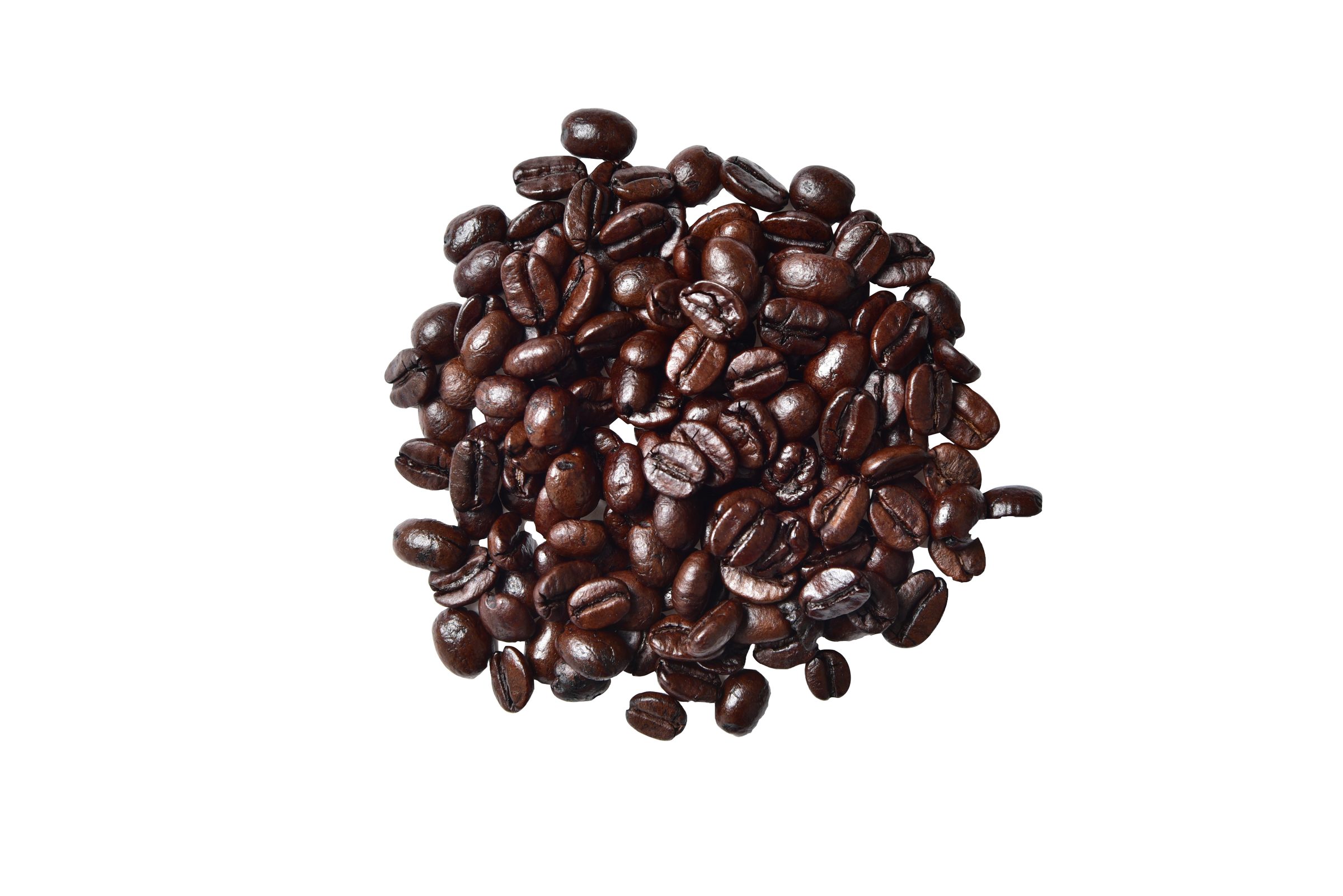
We roast it medium-dark. The structure from the natural process means it will take that development without going thin, and the chocolate notes need the heat to come forward. Watch it in the roaster — decaffeinated beans are more porous and take heat faster than the same coffee with its caffeine intact, so it will move quicker than you expect.
Brew it however you drink coffee. Pour-over puts the rye and cocoa in the clear. French press gives you the full body, which is what this lot is for. Espresso pulls something dense and nutty that holds up in milk. A 1:16 ratio at 200°F is a reasonable place to start, and because the body is already full, there is no reason to push the grind any finer than you normally would.
We’ve been roasting coffee in Lakewood, Colorado under our neighborhood brand, Village Roaster, since 1979.
Buying green? The 2, 5 and 10 lb options are raw, unroasted coffee beans. They arrive as green coffee and cannot be brewed as they are. Roast them first, then brew.